

Pros

-
 High resolution sensor; Vari-angle LCD screen; Inclusion of Wi-fi as standard
Cons

-
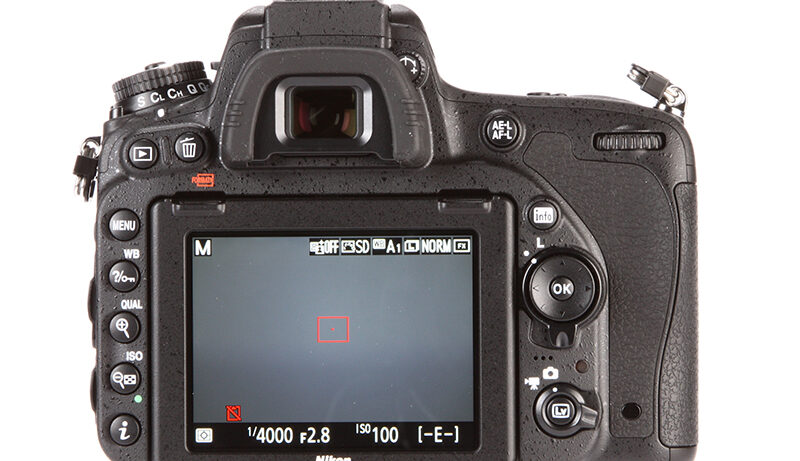
 Maximum shutter speed of 1/4000 sec might be restrictive for some; Lack of GPS could be viewed as a negative<br />
Nikon D750 First Look

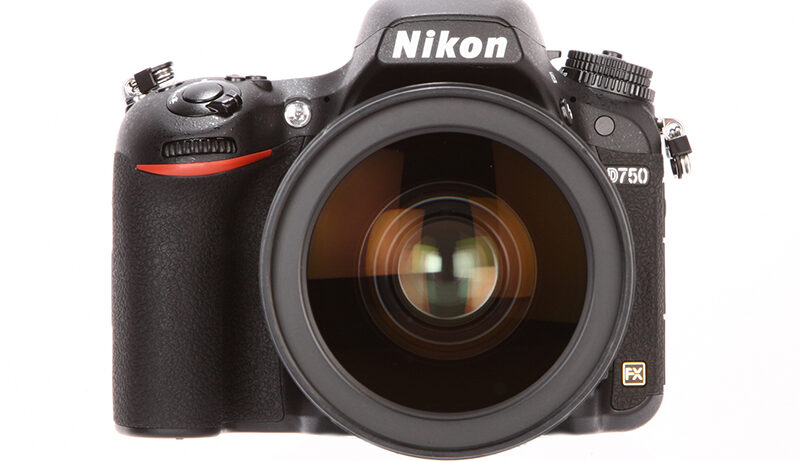
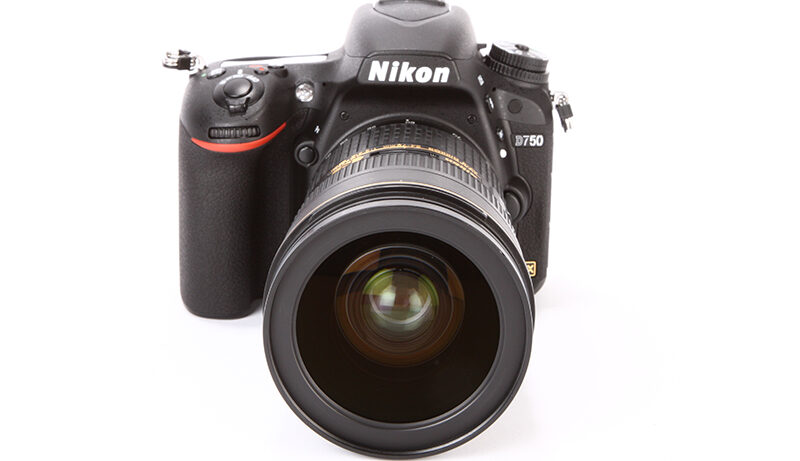
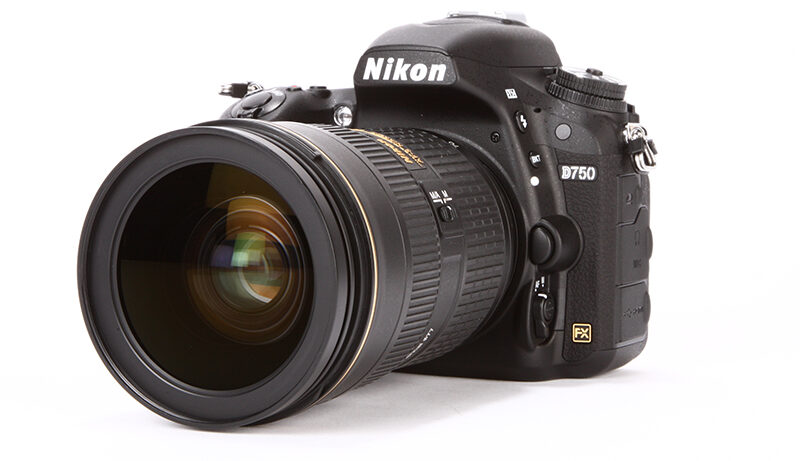
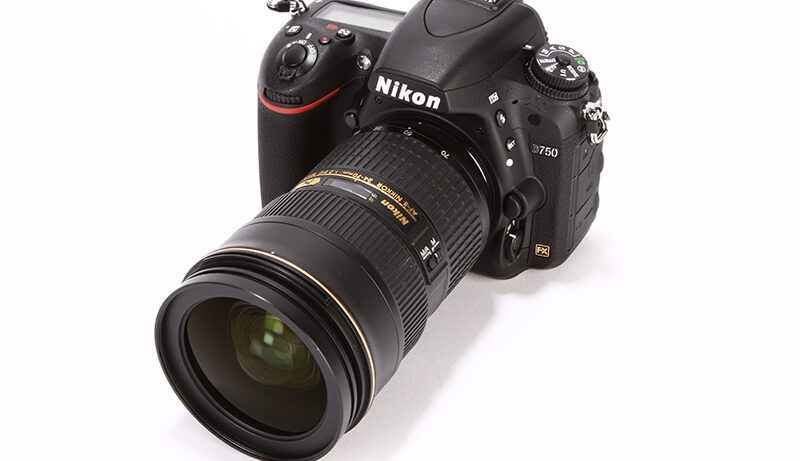
Ahead of the worldwide launch of the new Nikon D750, we met up with Nikon to take a closer look at the new camera and see exactly what we can expect from this full frame shooter.
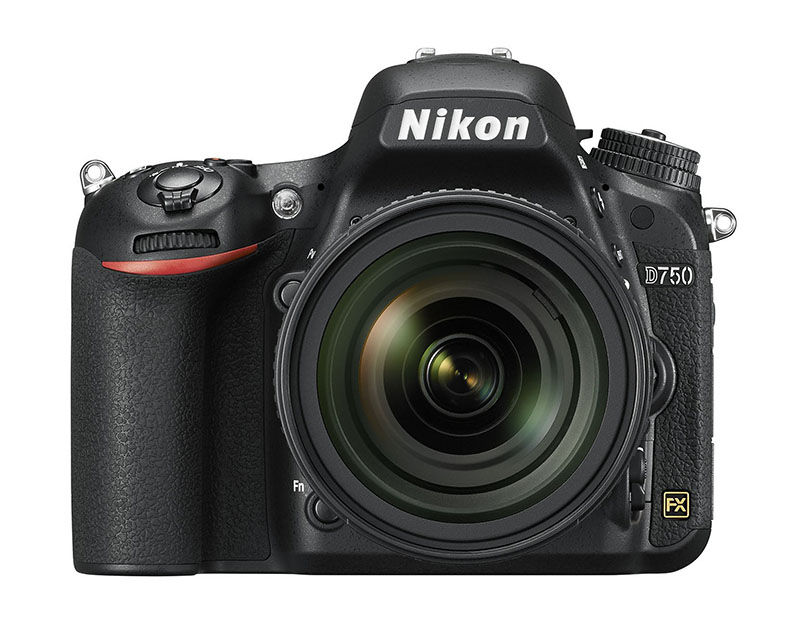
There’s no denying where the Nikon D750 is pitched in terms of the overall DSLR market and Nikon’s product tree. Boasting a 24.3MP resolution full frame sensor the model is cleared targeted towards more the high-end enthusiast, an observation further cemented by the continuation of the Nikon D610 below the D750 in Nikon’s line-up.
Although there are a range of new additions to the camera’s specification, on the whole the Nikon D750 tends to borrow from other Nikon DSLRs.
For example, the model features a 24.3MP full frame sensor with a native ISO range of 100-12800, expandable to 50-51200. Although Nikon points out this sensor is newly developed, it’s very similar to that found in the Nikon D610.
The same can be said about the 51-point AF set-up, complete with 15 cross-type sensor, which will be familiar to those accustomed with Nikon’s high-end DSLR line-up.
The continuous shooting rate is also far from remarkable, and in fact at 6.5fps it’s not great improvement on the D610.
New features
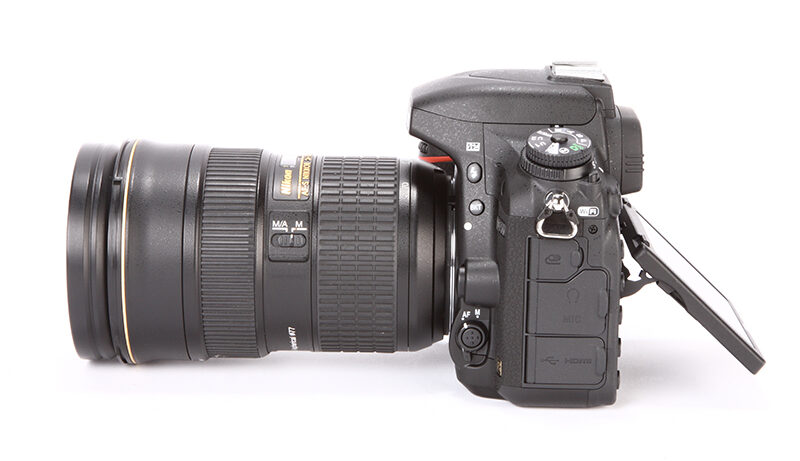
That’s not to say that the camera is without improvements, with one in particular standing out. The model is the first full frame DSLR from Nikon to feature built-in Wi-fi functionality. This allows for the easy connection with either a smartphone or tablet for remote control of the camera and wireless transfer of images.
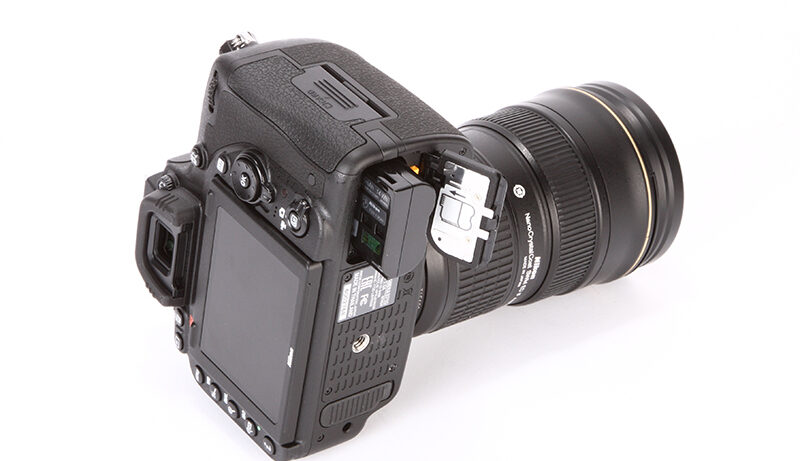
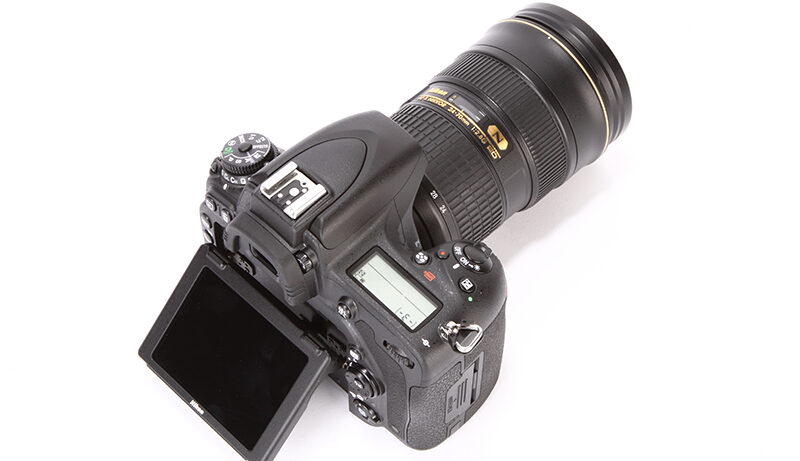
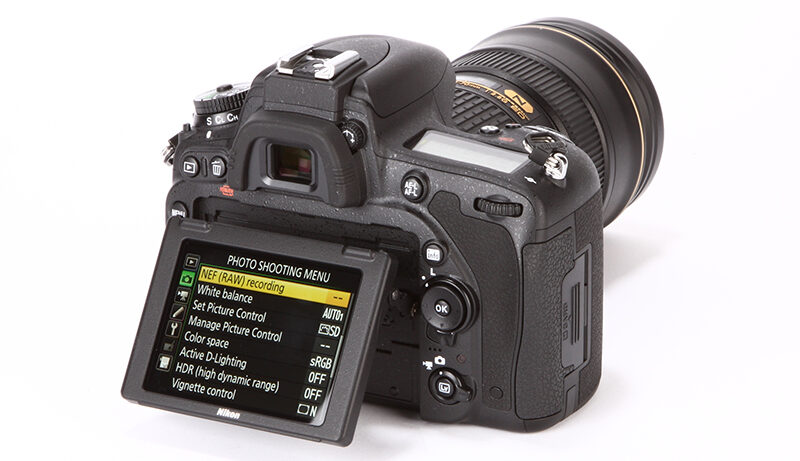
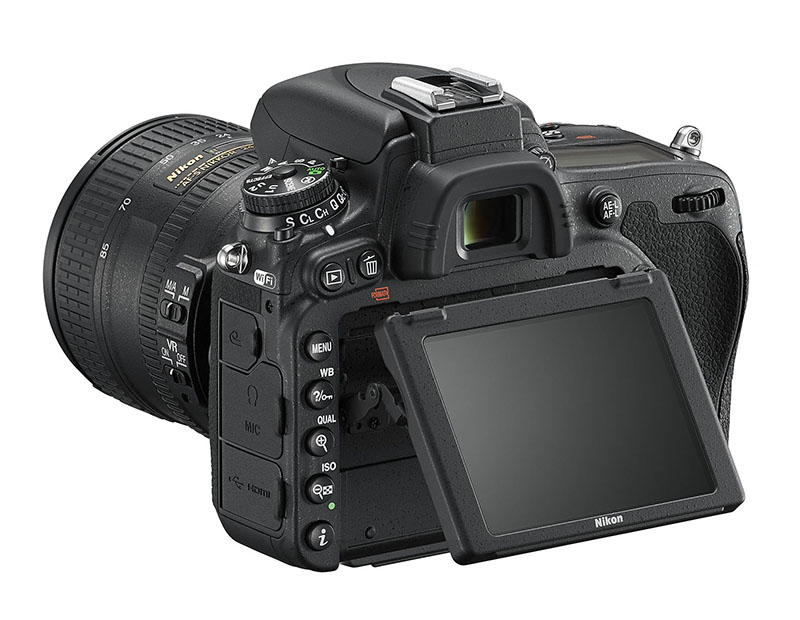
Another noteworthy feature is the addition of an articulating LCD screen – the first of its type on a full frame DSLR. The screen features a three-point hinge mechanism that allows it to tilt 90 degree upwards and 75 degrees downwards and although not as useful as a full swivel and tilt mechanism it’s still a useful addition.
The screen itself is also impressively specified, measuring in at 3.2in and with a 1.3m-dot resolution, while it also inherits the RGBW pixel arrangement we were impressed with in the Nikon D810.
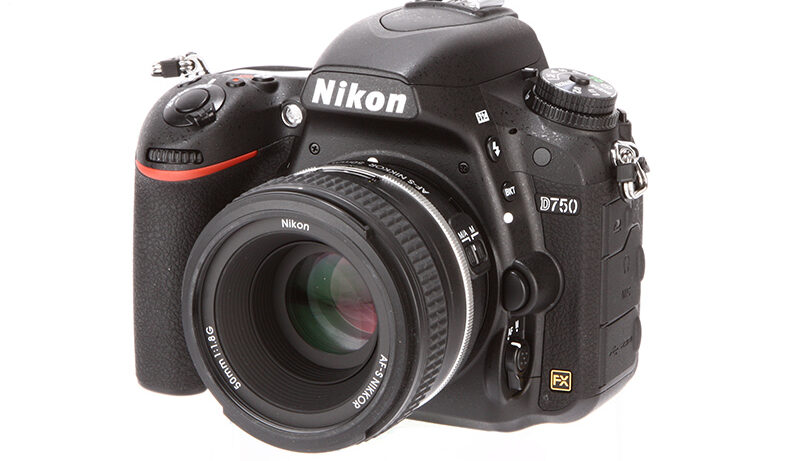
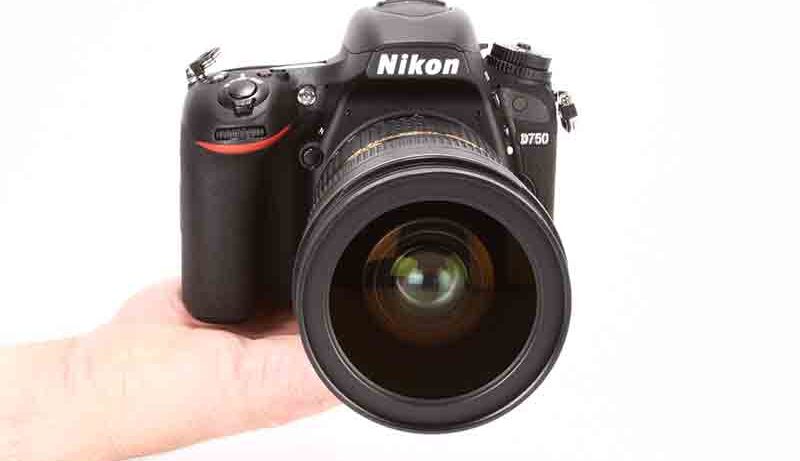
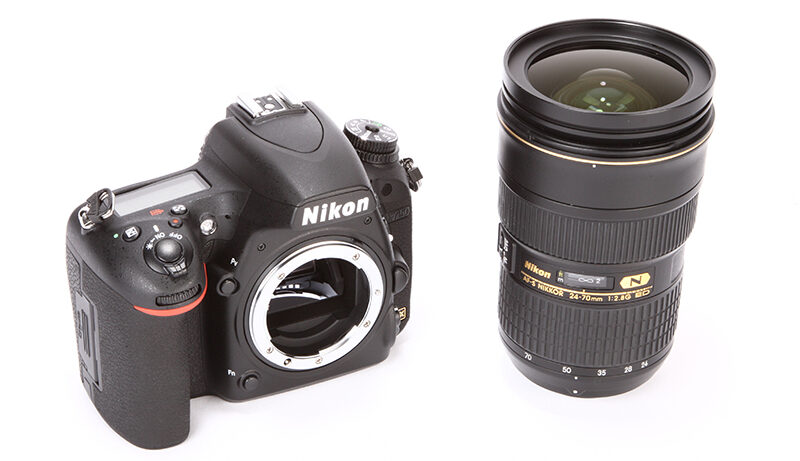
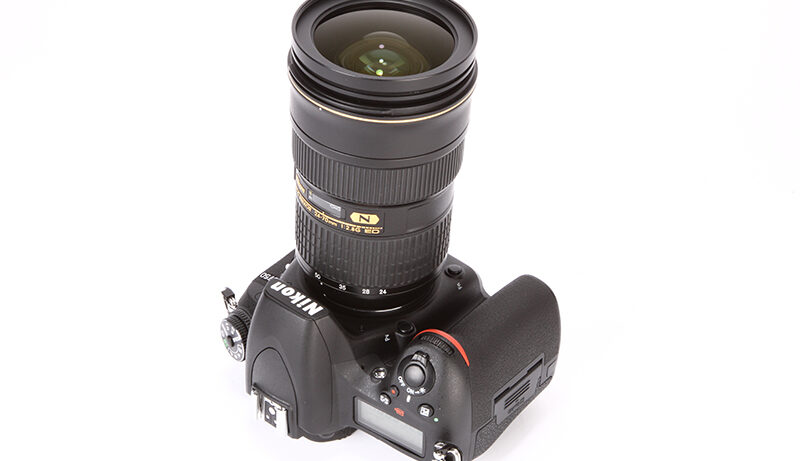
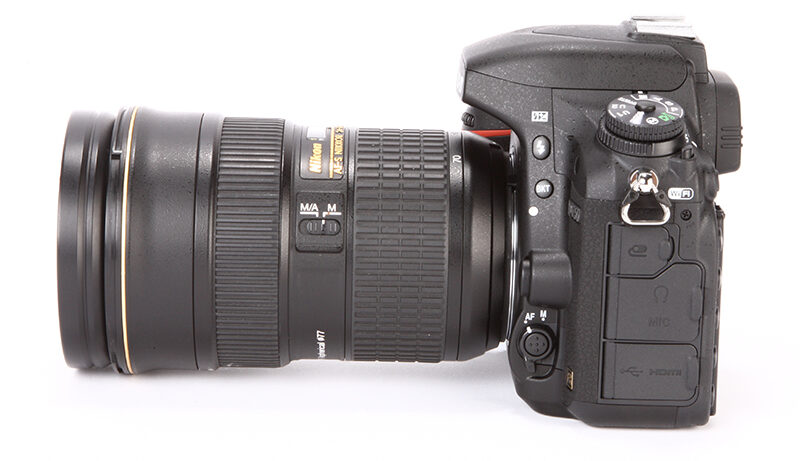
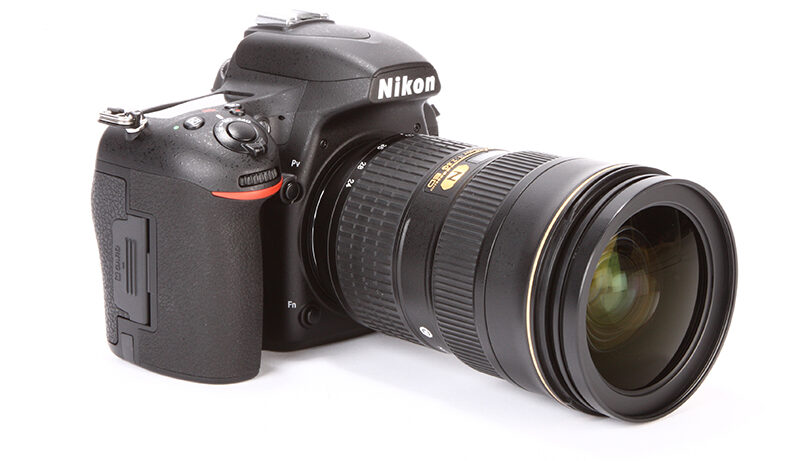
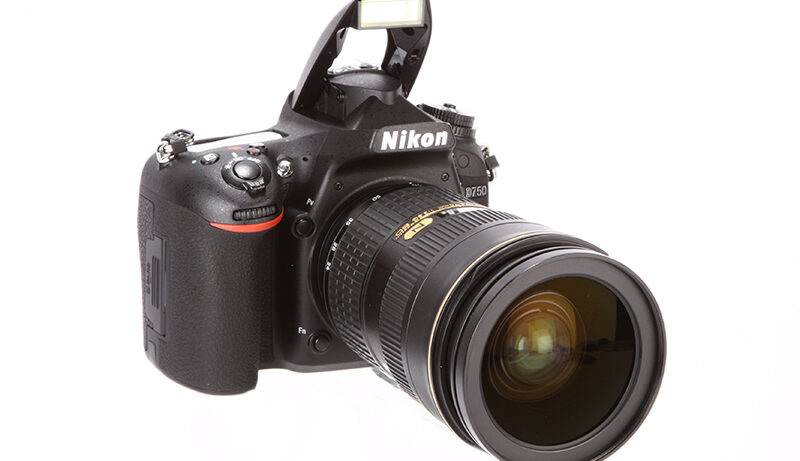
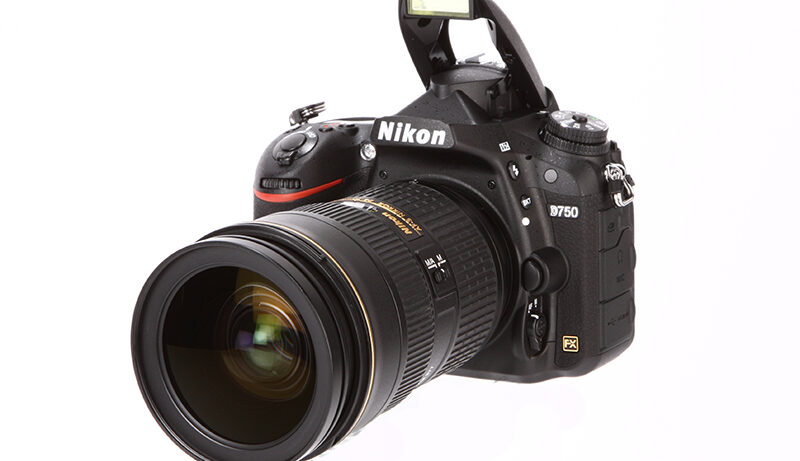
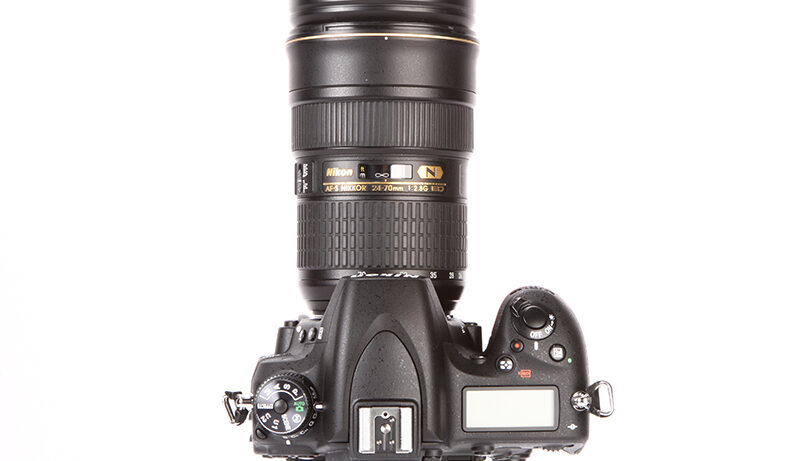
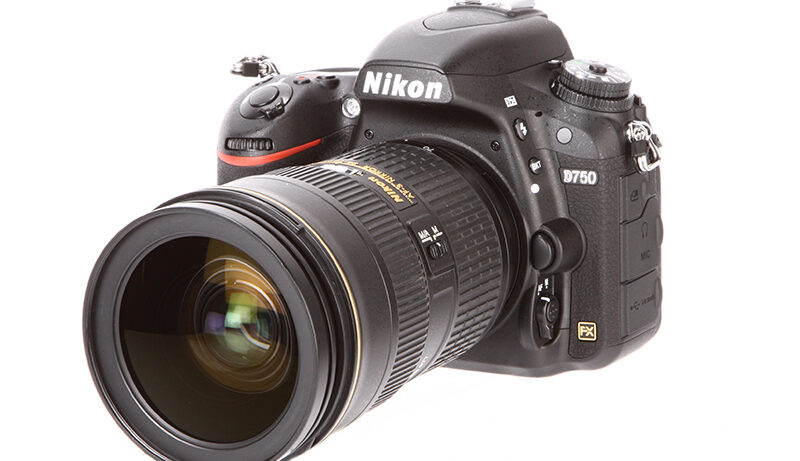
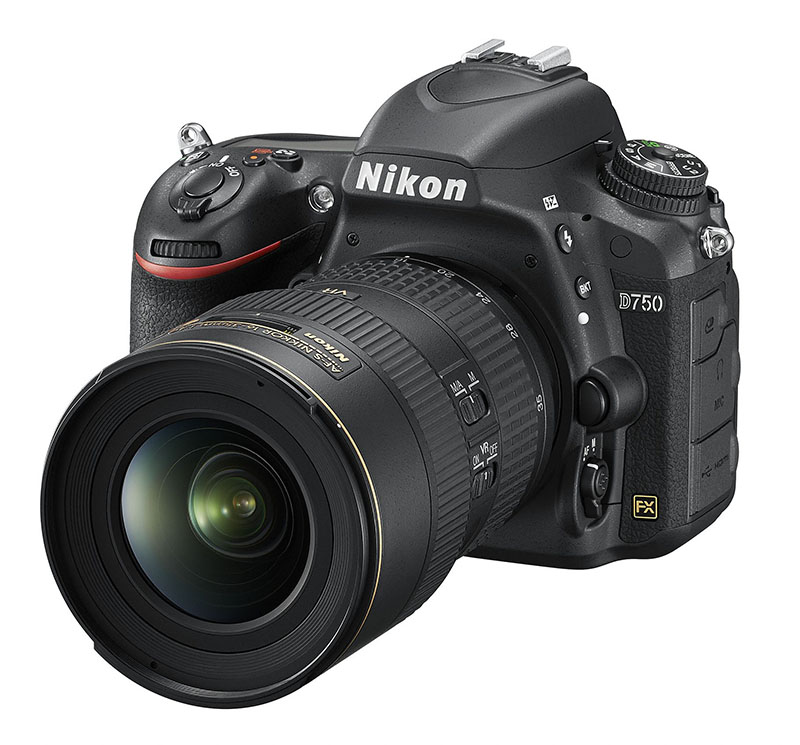
In terms of the build quality, the D750 is comprised of a magnesium alloy and carbon fibre body in a monocoque construction that’s designed to keep the camera as small as possible. As a result, it feels solid in the hand without feeling overly bulky, with a rubberised handgrip aiding this experience.
The control layout is similar to the D610 and the D7100, and as a result the camera should feel instantly familiar to experienced Nikon DSLR users.
Final thoughts
There’s no denying the fact that some might feel a little underwhelmed by the Nikon D750 at first glance, owing to the fact that the camera sports a host of functionality seen elsewhere in Nikon’s DSLR range.
That being said, the addition of the vari-angle screen and built-in Wi-fi, along with much of the Nikon D810’s inner workings, should ensure that the camera is in fact a very capable performer.
It still might not answer what Nikon users have been wanting for some time, however, namely a ‘true’ replacement for the D700 or D300S, with a lack of AF-ON and ‘pro’ control features the most likely culprits in this regards.
Overall though, at under £2000 body only the D750 is sure to prove a strong all-round for serious enthusiasts, and we look forwards to putting it through its paces in our full review later this year.