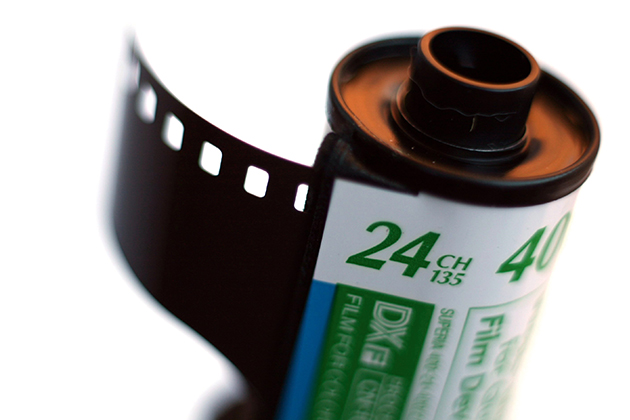
Advanced technology guide: why film is more digital than digital photography itself
Silver halide film is far more digital than it is analogue

Silver halide film is far more digital than it is analogue
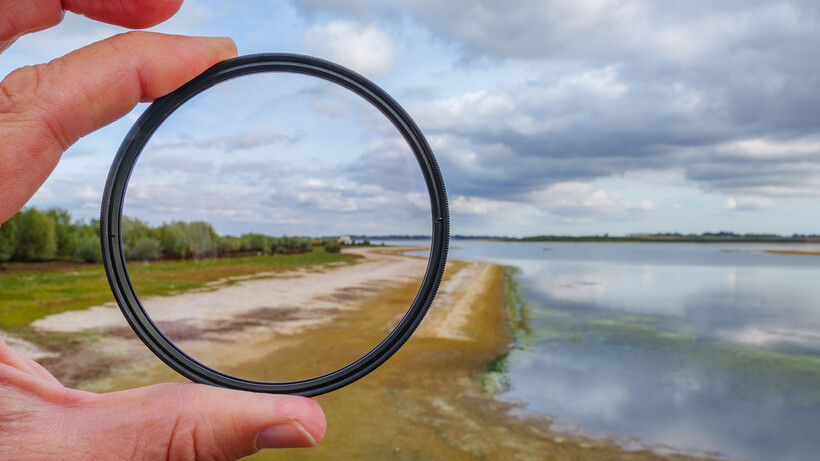
A guide to the skylight filter - what it is for and how it works
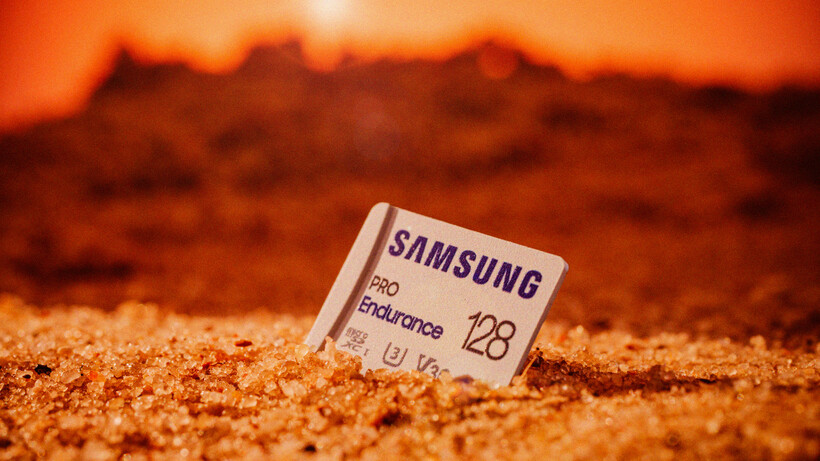
Card types, speed classes, what you need and formatting
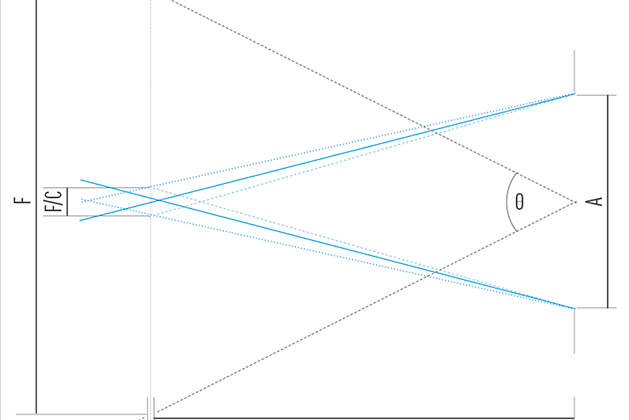
Professor Newman looks at depth of field from the standpoint of what happens in front of the lens

What are the technological developments that have led to building and using wider and wider lenses?
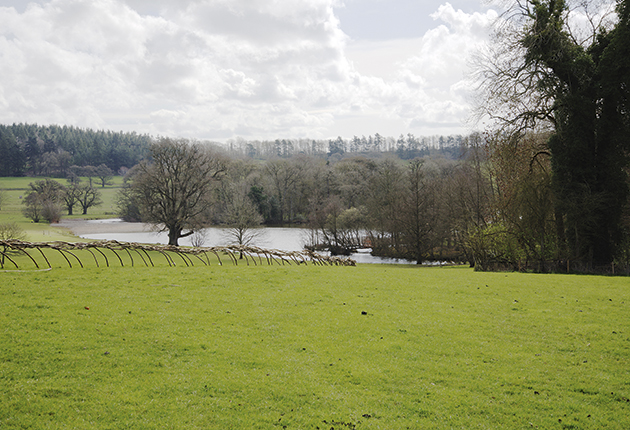
How to manage exposure to maximise information rather than manipulate output brightness
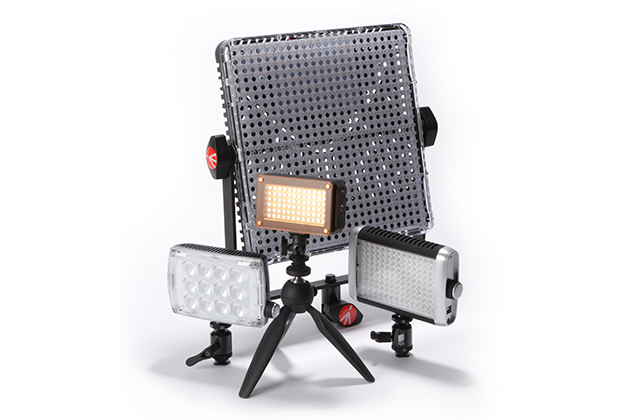
The popularity of the light-emitting diode has led to a decline in flash tubes, but why is the LED so...
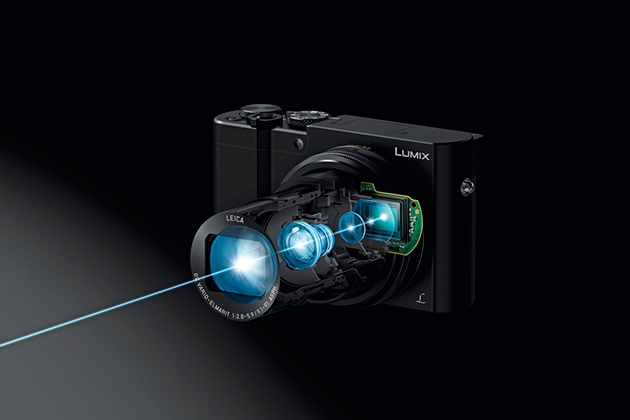
With its 1in sensor, the Panasonic Lumix DMC-TZ100 is capable of matching full-frame – with limitations
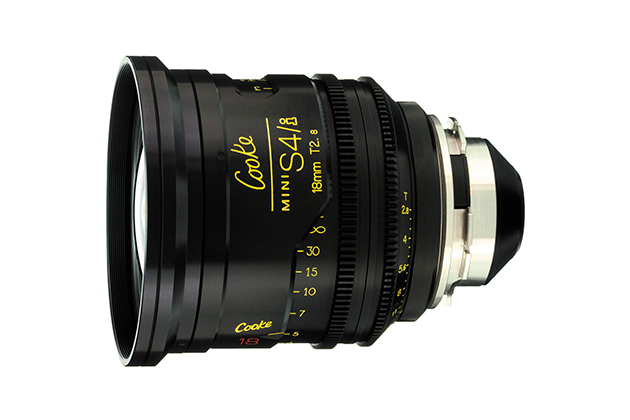
With stills cameras now the norm for filmmaking, why haven't cine lenses changed accordingly?

Bob Newman explains why the JPEG format isn't perfect and why its proposed replacement is no better
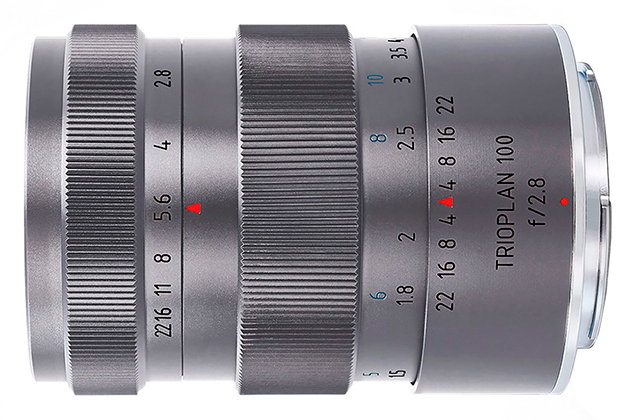
What factors determine the appearance of bokeh?

Bob Newman looks at the factors affecting how a camera system renders an image of a distant object
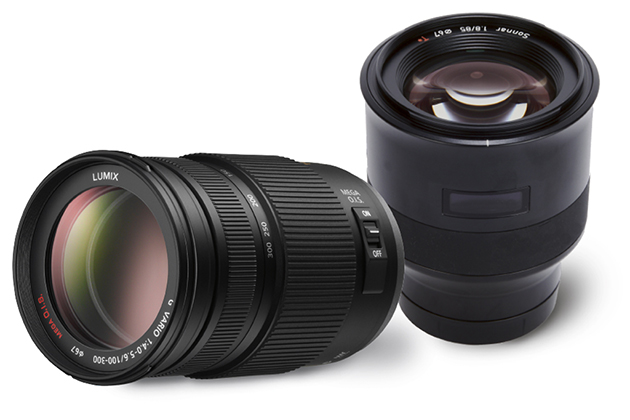
Focus motors have developed dramatically since the first ones appeared in 1985

Bob Newman discusses how electronic shutters work and the operation of the most common shutter types

Bob Newman explains how the sophisticated autofocus system on the Nikon D500 stays on track, even when following erratically moving...
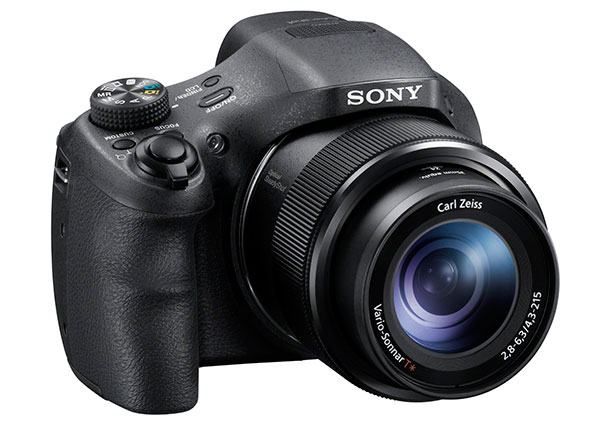
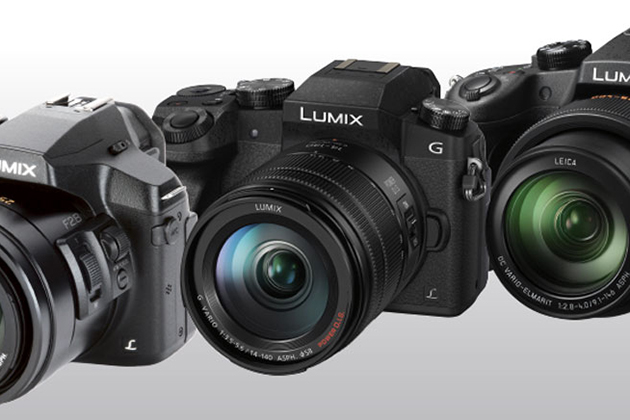
What is a bridge camera, and should you buy one? Our complete guide to bridge cameras (aka superzooms or ultrazooms)...
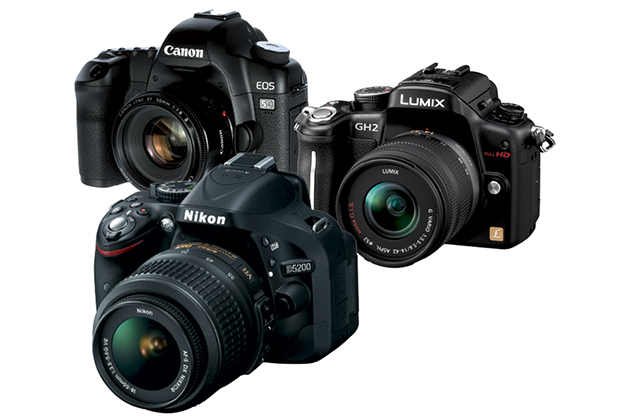
The manufacturers may not like them, but a well-chosen hack can add functionality to your camera.
When comparing cameras, we need to take into account both the sensor size and the lens’s aperture