
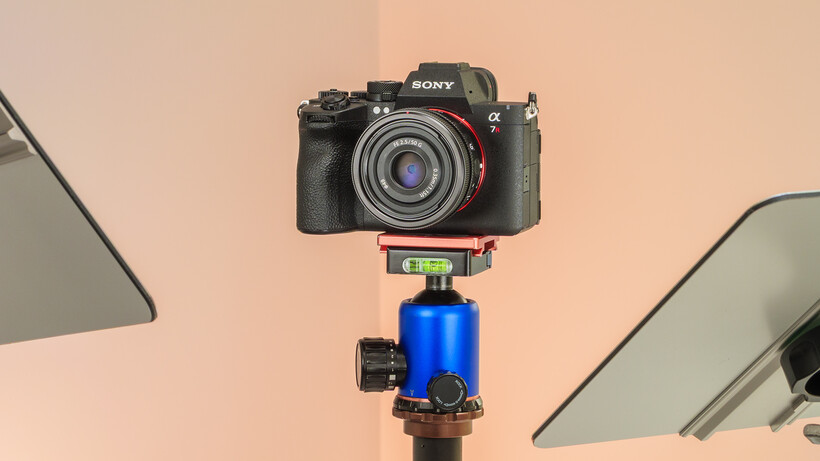

What Digital Camera’s Opinion

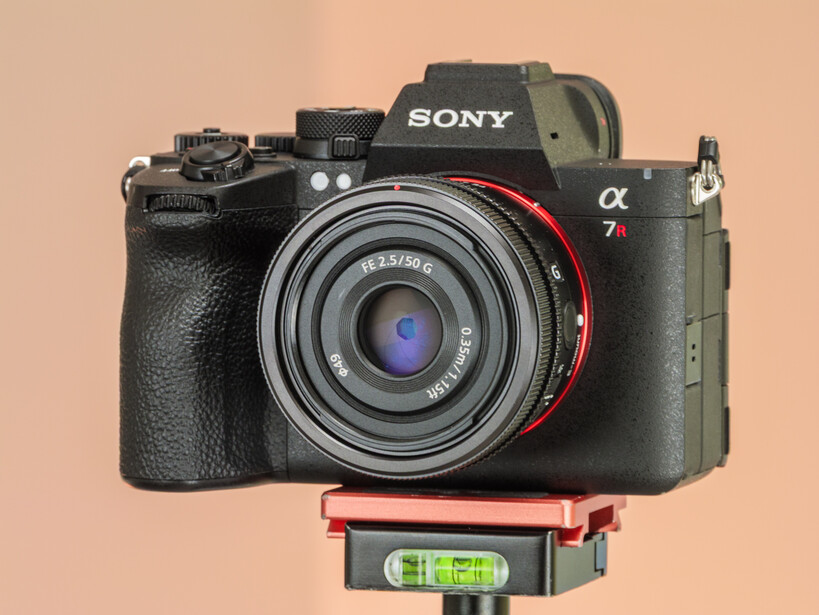
I’ve been using a Sony A7R IV for a little while so had some idea of where this newer upgraded beast had come from. Physically the two models have a whole lot in common, and are based on a very similar body format, but the new flip-all-over screen that comes as part of the A7R VI makes a huge difference to the way the camera handles – for those at least who, like me, love to shoot via the rear screen and upright. The mechanism is genius, and leaves no angle from which we can’t shoot or see the whole frame clearly whether we are shooting stills or recording video. I’m a very big fan.
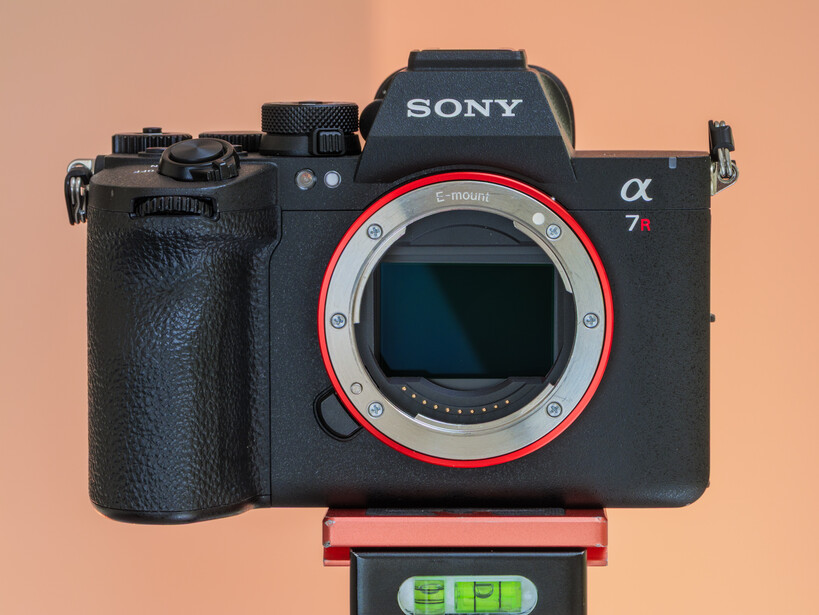
While slightly less reliant on viewfinders for most of my photography I can appreciate what is special about the 9.44MP EVF in this camera. The detail and the clarity are quite extraordinary, and for those who shoot with their camera to the eye it will be an enormous boon. Working with standard and wide lenses I had to make an effort to remind myself to use the viewfinder only once, and then shot with it much more than I would usually. As a glasses wearer the 25mm eye relief isn’t quite enough that I could see the whole frame in one go, but it is close. I should think the EVF will remind owners where their money went every time the eye sensor sparks the view into life, and it will make shooting with the camera sometimes more satisfying than looking at the pictures. How much we enjoy using a camera is much more important than normal people appreciate, and this is an EVF you could enjoy even without a memory card in the camera.
The other handling element I really valued is the battery life. The camera I had came with two batteries, but as hard as I tried I never got to the end of one of them. It was like the good old days of DSLRs when a battery could last several days, and almost, but not quite, like the film days when a battery lasted a year. Now if a battery lasts til I get home that feels like it lasted for ever. At nearly £100 the battery really should last all day, and jump start the car into the bargain, but as painful as the format change will be for existing Sony A7 series shooters there comes a time when new batteries are needed. It seems like a very good move on Sony’s part.

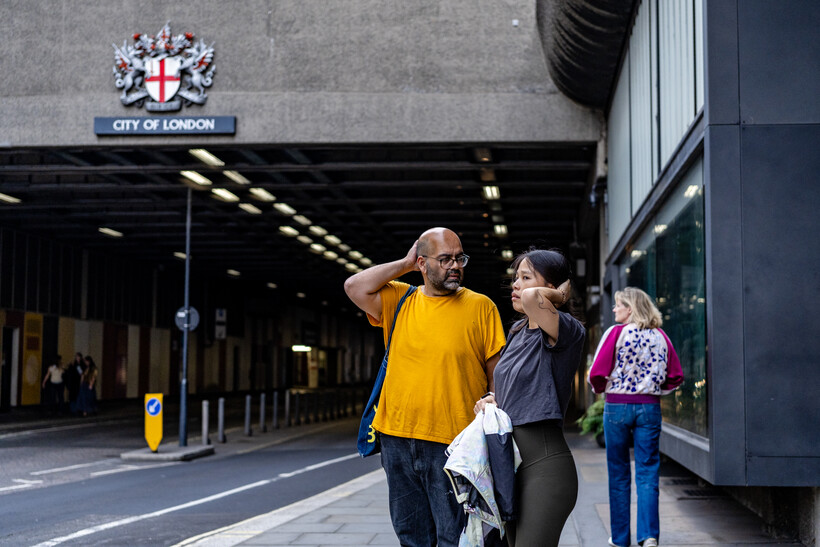
As a shooter of people I was keen to test the camera’s ability to both detect them and get them in focus – often the first is achieved without the second. I was glad of the auto subject detection that could indeed determine when the subject was human and not a cat or a train, but found in this auto mode the number of well-focused frames fell greatly short of the occasions on which I gave the camera advanced warning that we’d be looking for people. With Human Detection active the system behaved very well indeed, and I was surprised how it was able to find even very distant faces. Looking back over my pictures I rather regretted allowing the camera any chance to make the choices itself as it missed a number of shots I’d have been glad to have had sharp.
Exposure metering is rarely interesting, and it wouldn’t be here either other than that the Sony A7R VI was much more able to interpret a scene to my liking than is usually the case, and it needed much less ‘guidance’ than I am used to giving. Accordingly many of my early exposures were a little dark until such time I realised my advice wasn’t needed quite as much. Easing off and allowing the camera to get on with it with less interference yielded much better results. Which is just as well because as much as these files have great dynamic range I found them rather prone to image noise if lightened in software. I am not as repulsed by image noise as some, and rather like the gritty film-like structure of the files this camera produces, but also found white speckles in shadows even when not lifted a great deal and noise levels I wasn’t quite prepared for. with this number of pixels of course we get to look very closely. However, the camera’s bias towards more moderate noise reduction allows all the detail a 66.8MP sensor can resolve to exist unimpeded and all the better for it. The detail is outstanding.


As much as it is a wonder to have 68-million-pixel images for landscape scenes and the occasions we might want to blow up a print, my computer’s storage system was less enthusiast about being fed only very large files at every meal. Having no other option but full resolution, if you like the control a RAW file offers, means those of us who often need images that will only ever see the light of day on a website will either waste 60 million pixels every time we only need 8MP for a 3840×2883-pixel 4K sized image or we’ll need a second camera that shoots with a lower resolution. Leica is able to give us a choice of RAW file resolutions for exactly this end, so it would be great if Sony would do the same by offering small, medium and large RAW files. Otherwise the A7R VI becomes a specialist camera suited to large-picture occasions and has much less appeal for the general shooter who doesn’t need a 80-90MB hole blown in his/her storage every time a picture is taken. For the number of pixels the Sony RAW files are well compressed – even in uncompressed mode – and are only fractionally larger than those from the Fujifilm X-E5, but the option to make smaller pictures would be very welcome.
This is a camera that costs a lot of money and at the beginning of the test I wondered how it could ever be worth it. By the end of the test I could see the value. It’s not a value that everyone will appreciate but for those who need maximum speed combined with maximum detail there are few other choices. It’s an exceptionally good camera.
What is the Sony A7R VI?
Sony A7R VI Price: £4399/€4799/$4498
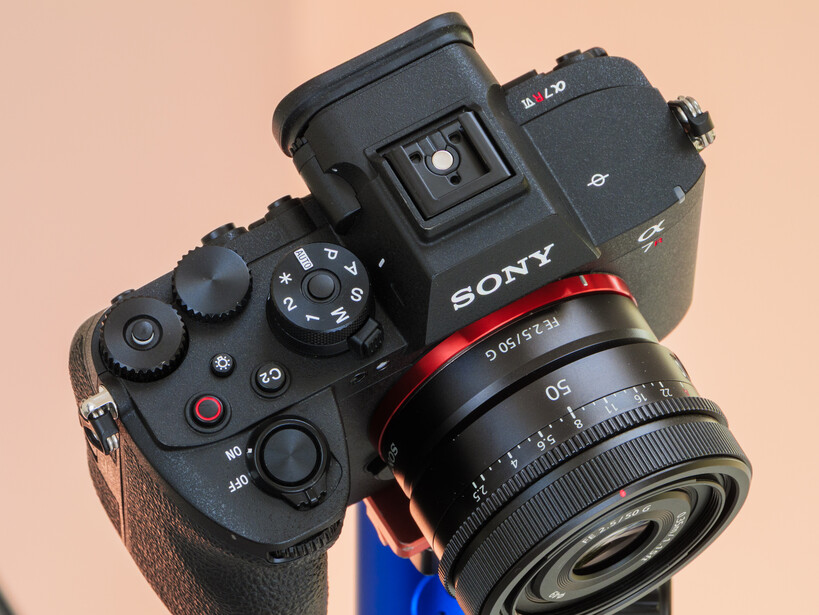
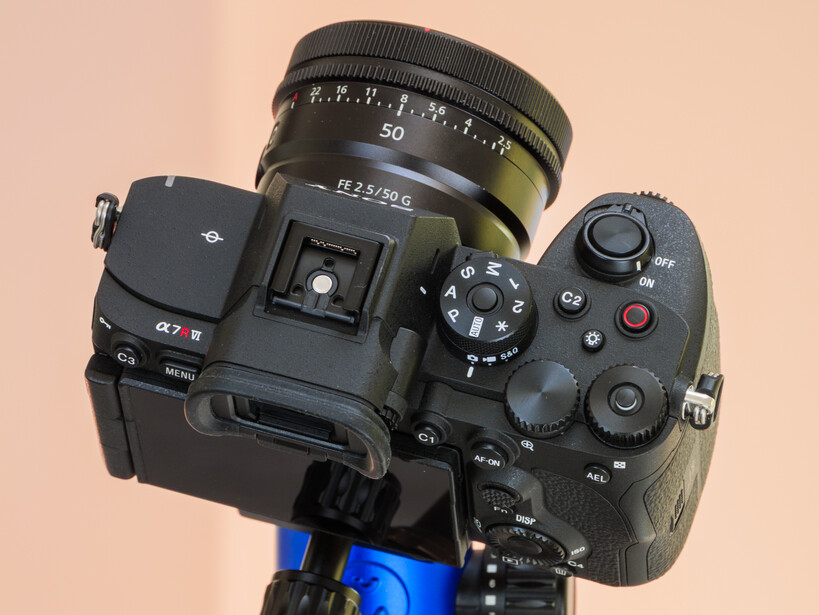
The Sony a7R VI is a full-frame mirrorless camera aimed squarely at enthusiast and professional photographers who want the highest resolution money can buy without giving up the speed that, until fairly recently, belonged only to dedicated sports bodies. It sits just below Sony’s flagship a1 II in the range, and it goes head-to-head with the Canon EOS R5 II and Nikon Z8 using a brand-new 66.8MP stacked Exmor RS CMOS sensor. That’s the highest resolution in any full-frame mirrorless camera on sale right now. The sensor really is at the heart of the story here. Paired with the Bionz XR2 processor, it hits 30fps burst shooting, a huge jump from its predecessor, plus 8K video now stretches to 30p and genuinely usable 4K up to 120p.
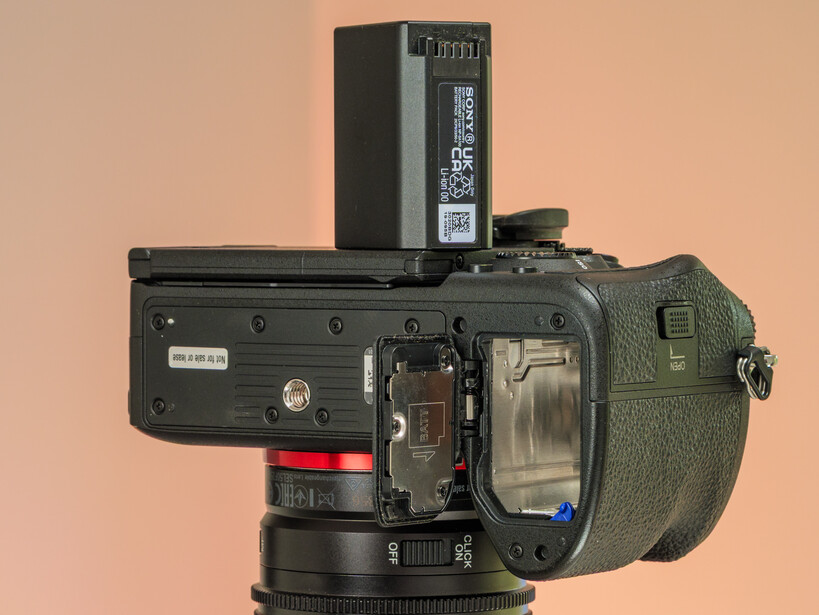
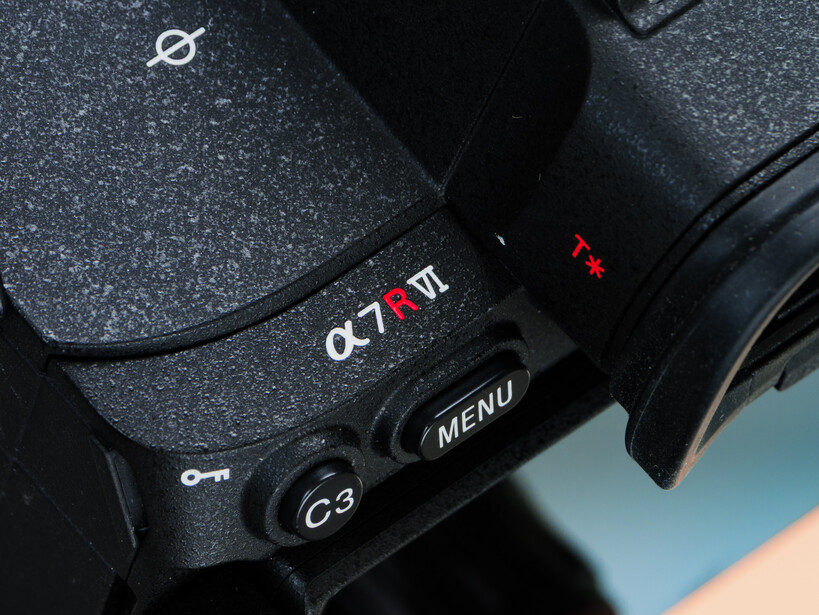
A higher-capacity battery, illuminated rear buttons for shooting after dark, and a reworked grip all help to make the update a significant one. The downsides however include softer standard 4K, no open-gate video, and an eye-watering asking price. But for landscape, wildlife, and studio shooters who want serious resolution and enough speed to catch nearly anything that moves, the a7R VI makes a pretty compelling case.
Sony A7R VI Opinions From Around The Web
Averaged Score: 9.2/10
Pros

-
 Huge resolution
 -
Very good AF
-
Good colour and WB
-
Very comfortable to shoot with
-
Excellent EVF and rear screen
-
Battery lasts really well
Cons

-
 A very high price
 -
No lower resolution RAW options when 68MP not needed
-
No open gate video option
Sony A7R VI Collective Verdict
Reviewers are broadly agreed that the Sony a7R VI is the most capable high-resolution mirrorless camera you can buy right now, with the 66.8MP stacked sensor and 30fps shooting drawing praise across the board. Amateur Photographer and TechRadar handed it full marks, and TechRadar called it Sony’s most complete professional camera yet. PetaPixel went further, saying it sets a new industry standard for stills shooters, particularly those working in landscape and wildlife. Digital Camera World and DPReview were a touch cooler, pointing out that at $4,500 the a7R V still offers better value if you only care about resolution, and that the a7R VI stops short of being a true sports camera. The Phoblographer struck the sharpest note, calling out a somewhat uninspiring user experience and flat out-of-camera JPEGs that’ll need work in post. With an aggregated score of 9.2 out of 10, this is a camera serious photographers will find extremely tempting – assuming the price doesn’t put them off.
Sony A7R VI Specifications
This 66.8 megapixel sensor is the highest-resolution full-frame example in any mirrorless camera at the moment, and it arrives on a fully-stacked Exmor RS CMOS with what DPReview describes as a processing layer rather than a DRAM buffer – this is what allows 14-bit RAW bursts at 30fps with no blackout at all. For context, the a7R V managed 7fps in 12-bit RAW electronically. The sensor also claims 16 stops of dynamic range at ISO 100, a full stop up on its predecessor, which is genuinely impressive for a stacked design. IBIS reaches 8.5 stops at the centre of the frame, dropping to 7.0 at the edges per CIPA 2024 measurement.
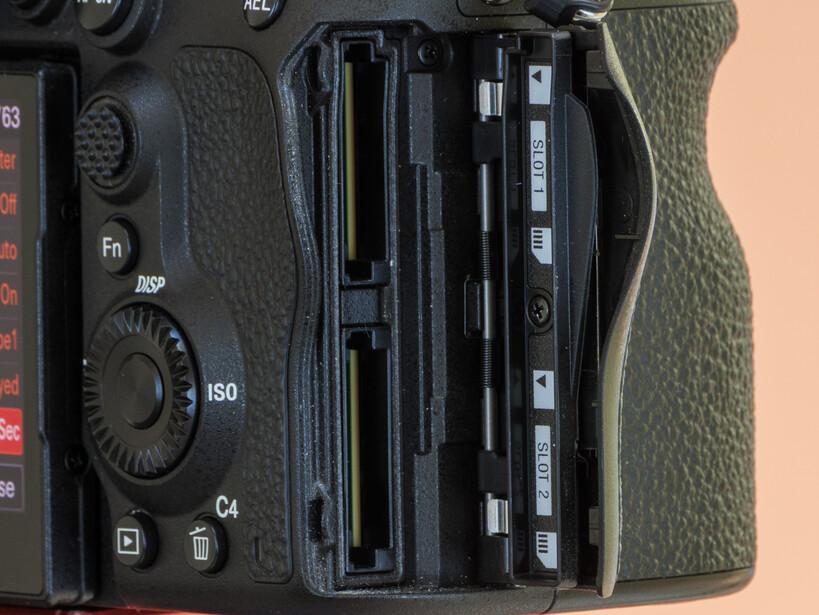
Buffer depth is serious too. You get up to 535 RAW frames at 10fps on CFexpress Type A cards, though TechRadar points out those cards are among the priciest per gigabyte going. The new NP-SA100 battery is rated at 600 shots via the viewfinder, and Amateur Photographer warns that existing FZ100 batteries, chargers, and vertical grips are all incompatible so we need to factor in these items into the cost of switching. Storage runs through dual CFexpress Type A and UHS-II SD slots, unchanged from the a7R V.
Sony A7R VI Video Specifications
On paper the a7R VI’s video spec sheet looks like a modest refresh: 8K up to 30p with a 1.2x crop, 4K up to 120p with a 1.1x crop (removable in Field-of-View Priority mode, which switches off noise reduction), and 10-bit throughout in S-Log2, S-Log3, or S-Cinetone. No open gate. No internal RAW. PetaPixel and Digital Camera World both point out open-gate mode is well overdue given there’s a 66.8MP sensor sitting right there doing nothing exotic with its aspect ratio. The soft standard 4K is a real finding too. DPReview describes the pixel-binned 5K-sourced results as distinctly softer than rival output, and PetaPixel suggests shooting 8K and downscaling for sharper 4K, accepting the 30p cap and slight crop that comes with it. The new Dual Gain readout mode can push dynamic range in Log footage, but it slows readout to around 20ms, restricts recording to 30p, and limits ISO to 400 outside of S-Log.
The big audio addition is 32-bit float at 96kHz, though DPReview points out the dual ADCs actually live in the optional XLR-A4 adapter, which costs another $780. The body’s own 3.5mm mic and headphone jacks handle standard use just fine. No waveform display is a glaring omission say both DPReview and PetaPixel, putting the a7R VI behind the Canon EOS R5 II and Nikon Z8 for dedicated video monitoring.
Sony A7R VI Focusing System
The a7R VI arrives with a 759-point phase-detection AF system covering 94% of the sensor, a sensitivity rated to -6.0 EV, and Sony’s upgraded Real-time Recognition AF+, which promises better human pose estimation, improved tracking, and sharper acquisition of small or distant subjects. DPReview found that last claim holds up well, noting the camera “could more consistently focus on eyes (rather than eyelashes) than its predecessor, despite the higher resolution allowing closer scrutiny,” a meaningful upgrade when you’re pixel-peeping 61 megapixels. PetaPixel echoed this, finding the improved small-subject detection particularly handy for birds that fill only a sliver of the frame.

For wildlife, the picture is broadly positive, if not without wrinkles. TechRadar found bird detection “super reliable,” and Amateur Photographer found the AF feels snappier than the already-capable a7R V, but also reports that it “doesn’t quite have the same near-magically instant subject acquisition speed and tracking as the A1 II and A9 III.” Part of that gap is structural. Amateur Photographer points out the camera manages 60 AF calculations per second, only half the AF speed of the A1 II.
On subject recognition, reviewers agree the Auto mode needs a bit of coaxing. Digital Camera World found it struggled to reliably pick out bird eyes in auto mode, and had to switch to dedicated bird mode for consistent results. Amateur Photographer similarly recommends telling the camera your subject type up front, finding that auto detection “takes just a little bit longer to find and lock onto subjects.” DPReview adds a useful tweak: customise the auto mode to include only the subject types you actually expect to see. You can also dial in how close a subject has to be to your AF target before tracking kicks in, which helps when picking between multiple subjects in a busy scene.
Two cautions worth noting: Digital Camera World found AF could still get tripped up by branches or leaves crossing the subject, and Amateur Photographer noticed a consistent pattern where bright white subjects, white race cars and white gulls alike, were harder to acquire and hold in sequence than darker equivalents. The reviewer speculates it could be phase-detection pixel saturation in bright light, while also allowing that a third-party lens may have played a part. TechRadar says the addition of new XL and XS spot-focus size options should at least give precise shooters more control over exactly where the camera looks.
Sony A7R VI Rear Screen and EVF
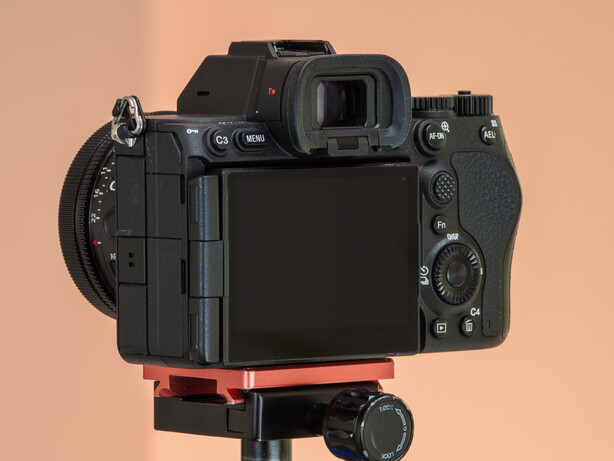
The a7R VI’s viewfinder gets a lot of attention amoung reviewers for good reason. All four publications confirm it’s a 9.44-million-dot OLED panel with 0.78x magnification, keeping the resolution of the a7R V but now claiming three times the brightness and a switch from sRGB to DCI-P3 colour coverage, with 10-bit HLG HDR support thrown in. DPReview made the striking observation that it’s “the first camera we’ve encountered with a viewfinder bright enough to preview HDR imagery,” and they add that Sony pulls this off without sacrificing the 120fps refresh or highest-quality display settings at the same time. Amateur Photographer found the wider colour gamut useful in practice, particularly for spring greens, and points out two quietly handy upgrades: the histogram and electronic level can now appear on screen together without cycling the DISP button, and the electronic shutter now delivers a blackout-free display that makes tracking moving subjects noticeably easier. Not everyone was won over. PetaPixel found the brightness “a bit too bright for my tastes” (adjustable, thankfully) and raised a more nagging concern about colour consistency, noting the EVF’s tones looked slightly off compared to both the rear LCD and a calibrated monitor. They couldn’t pin down exactly why.
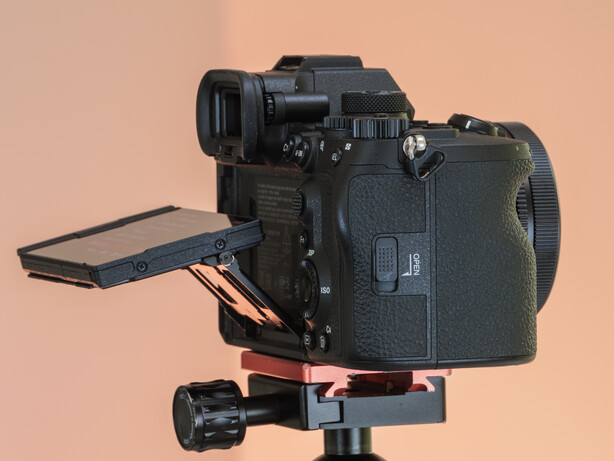
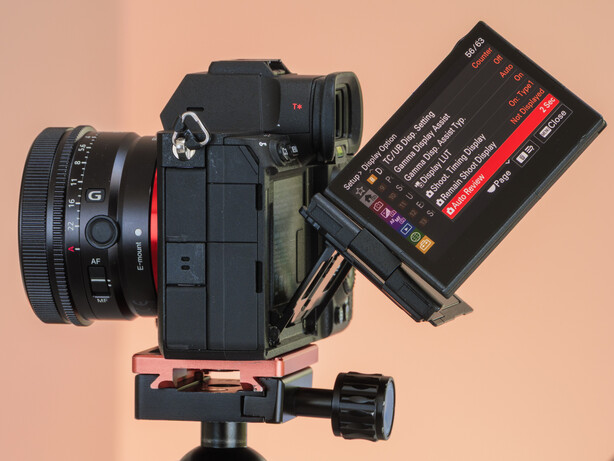
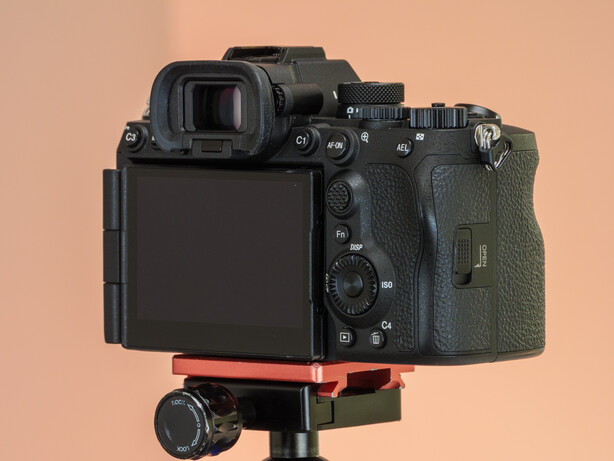
The rear screen is a 3.2-inch, 2.1-million-dot, 3:2 panel with four-axis articulation combining up-down tilt with a side-hinged fold, letting you point it in almost any direction for both stills and video work. Digital Camera World highlights a neat bonus: the display automatically flips to a vertical orientation when you rotate the camera, which will suit anyone shooting for social. Touch controls are present across the panel, though no reviewer went into detail about how deep or responsive that coverage is.
Sony A7R VI Build and Handling
There’s broad agreement across publications that the a7R VI’s redesigned grip is a proper step forward. Amateur Photographer found it “noticeably more comfortable to carry one-handed than the A7R V,” with a rounder palm section and a more pronounced finger indentation. Digital Camera World noted it’s “a little deeper, with a bit more of a lip for your top finger.” PetaPixel‘s reviewer preferred the chunkier feel for extra purchase, though a colleague on the same review disagreed and missed the a7R V’s shape. Tastes may vary.
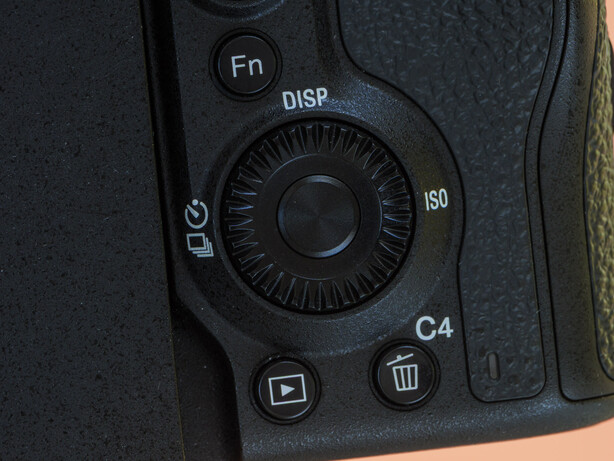
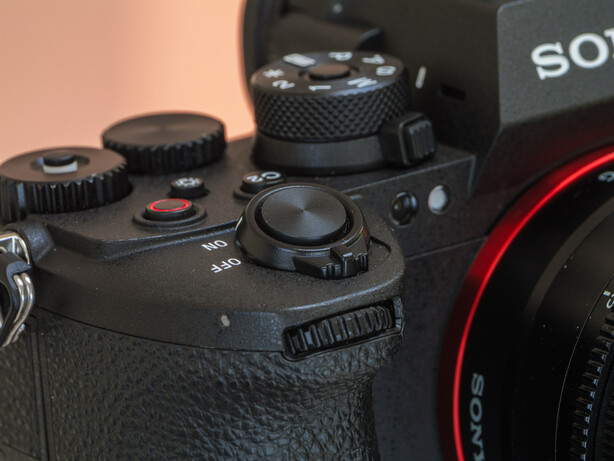
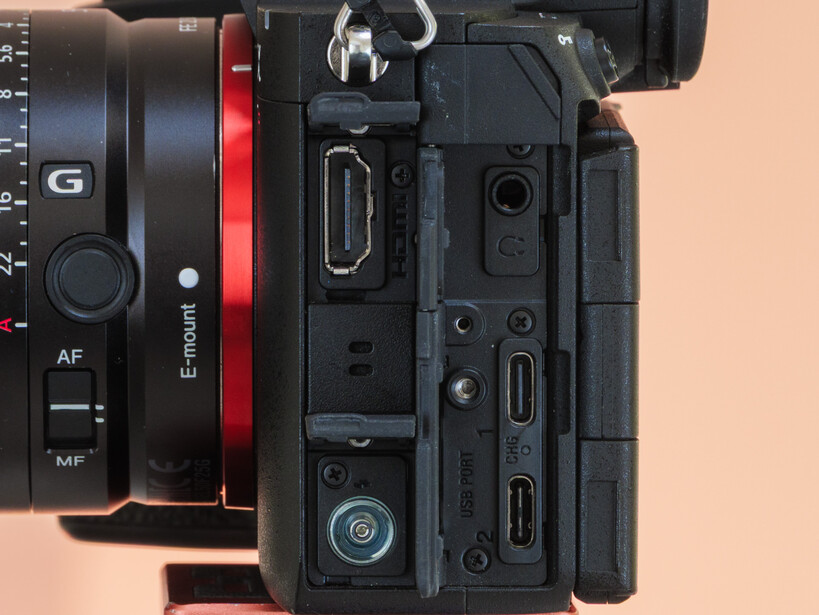
TechRadar points out the bigger grip is partly a consequence of housing the new NP-SA100 battery, which DPReview confirms is 27% higher capacity at 20.9Wh but brings zero backwards compatibility with existing FZ100 accessories and spares. Sony softens the blow by including a dual charger in the box. DPReview also calls out a fiddly dual-USB-C arrangement: the upper port runs at 10Gbps for data, the lower is USB 2.0 but handles Power Delivery charging. Critically, DPReview warns that “the charge level will diminish over time if you’re just offloading data over the fast USB port: you’ll want the PD port connected too for prolonged tethered shooting.” Every cable connection also triggers a function-selection prompt unless you pre-configure a default. The old Micro-B Multi-interface socket is gone entirely, so legacy accessories won’t work, and Digital Camera World notes the port flaps are unmarked. You’ll be guessing which is which until muscle memory kicks in. TechRadar‘s layout rundown counts three control wheels (one lockable), four custom buttons, an AF joystick and a four-way dial with drive and ISO shortcuts. There’s no front custom button, and DPReview says that makes triggering Speed Boost alongside back-button AF genuinely awkward. The back-right dial has a little physical give that TechRadar noted as a potential concern, though it caused no problems during testing.
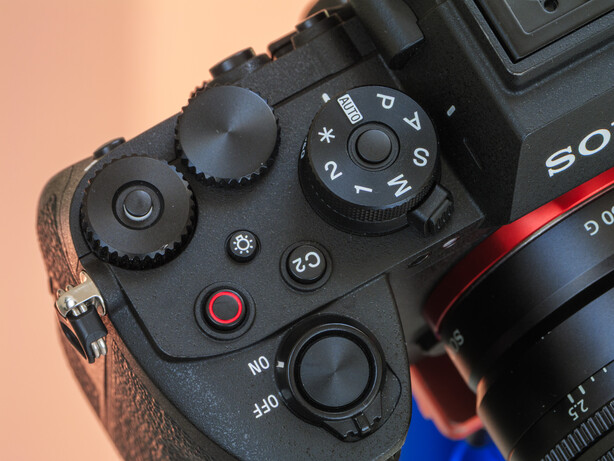
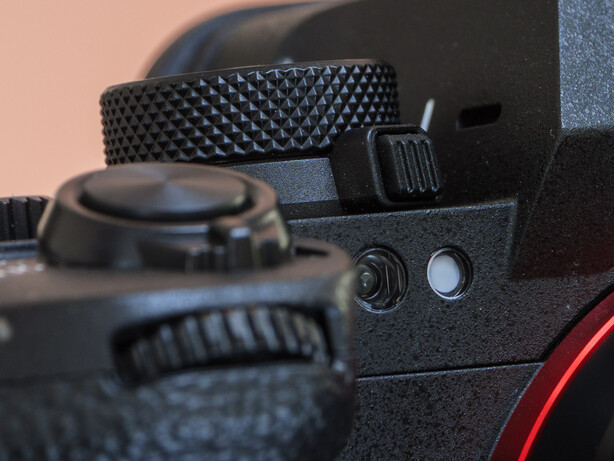
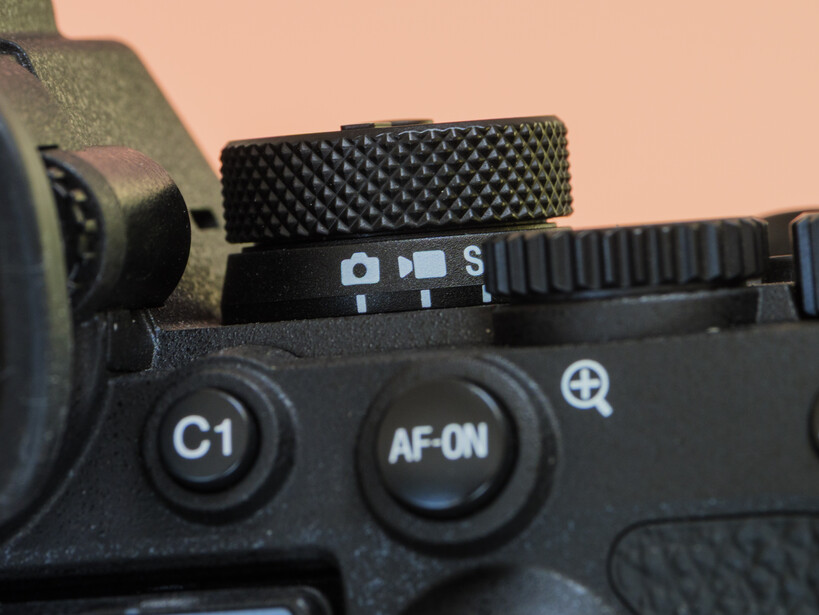
PetaPixel spotted a clever tactile touch: the Auto position on the mode dial is raised so you can find it by feel, and there’s a new alignment bump on the lens mount. The illuminated rear buttons are a first for Sony and a welcome one, but Amateur Photographer describes the activation button as “slightly perplexingly” unlit itself, requiring “a large and somewhat awkward twist backwards of your index finger.” It sits close enough to the video record button that accidentally starting a clip is a real risk. Amateur Photographer strongly recommends building a Custom My Menu for frequently used settings, which is as simple as hitting Delete on any highlighted menu item.
Sony A7R VI Performance
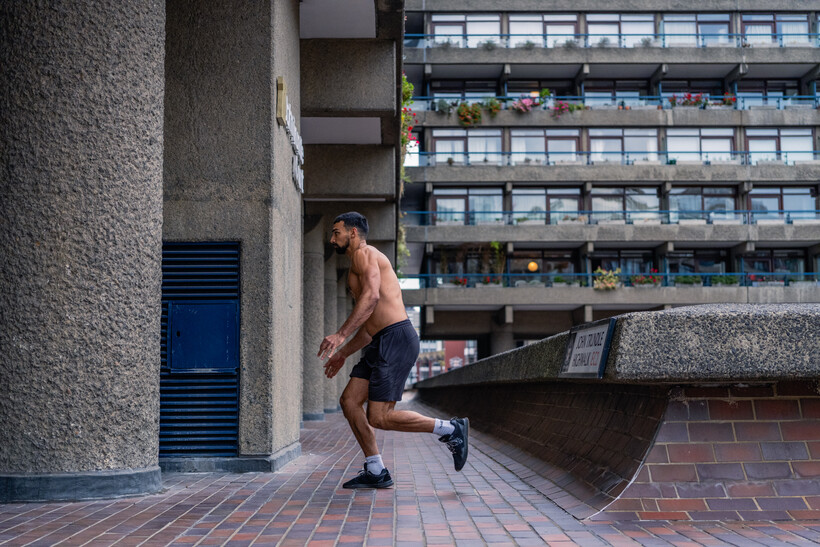

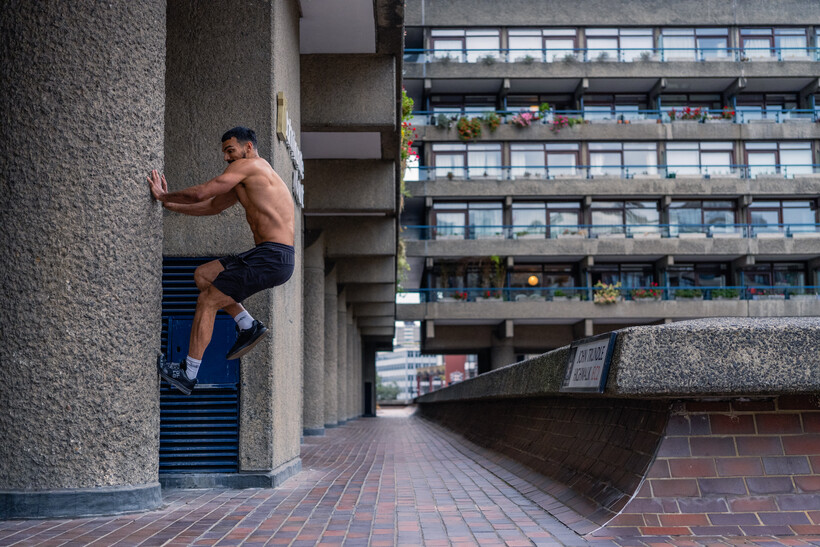
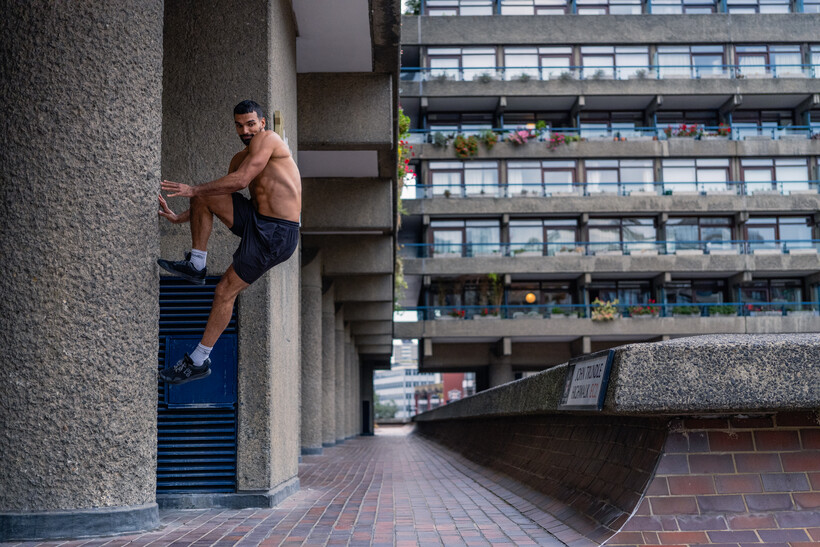
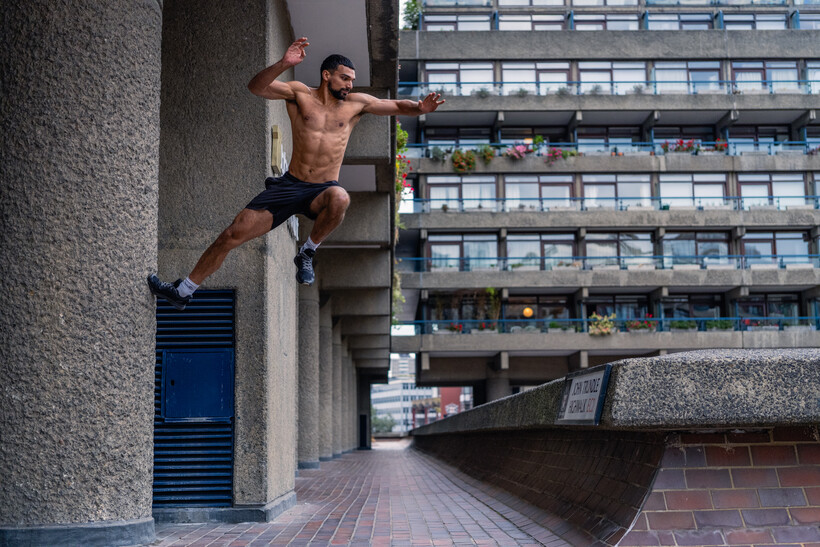
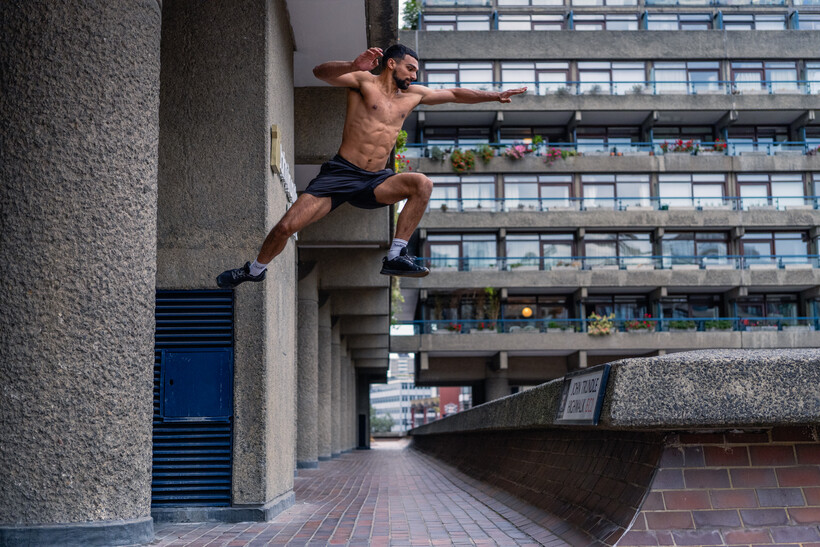
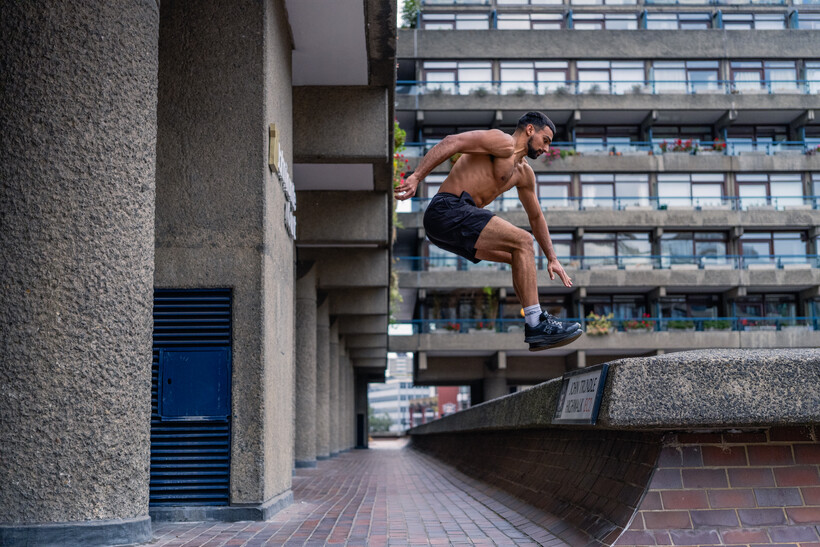
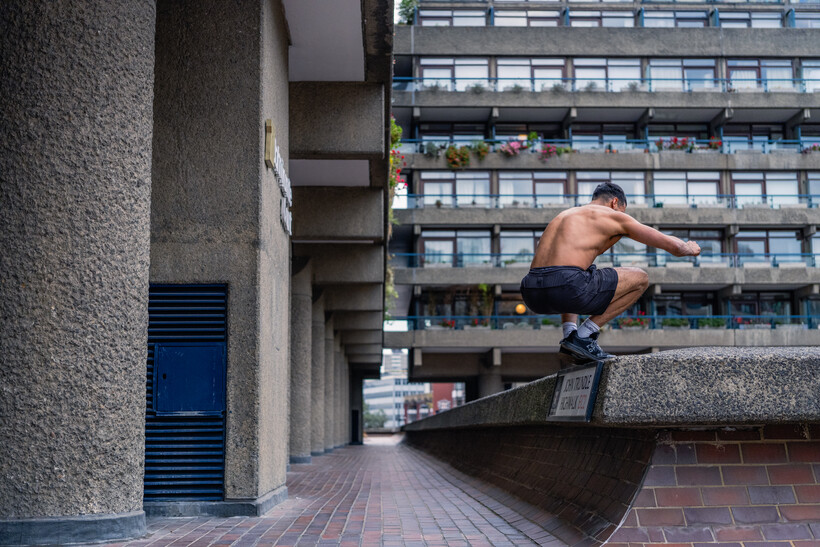
Thirty frames per second from a 66.8-megapixel sensor sounds like witchcraft, and the speed jump really is that dramatic. DPReview notes the sensor readout has gone from roughly 100ms on the a7R V to around 18ms here. PetaPixel puts this in useful context: “The a1 II’s readout speed is under four milliseconds, while the a7R VI is around 18 milliseconds. This is leaps and bounds ahead of the a7R V’s nearly 100-millisecond readout speed.” So it’s no a1 II, and DPReview found a real-world performance gap between the two in sports settings. But for most high-resolution work it’s a proper step change. Rolling shutter is reduced versus the a7R V. TechRadar confirmed this with side-by-side testing, PetaPixel notes it did occasionally show up, and DPReview clocks it as the slowest stacked-sensor camera of its class at 19.6ms standard or 14ms in 12-bit lossy Raw.
Amateur Photographer’s reviewer shot over 1,100 frames in a day and finished with half a charge remaining
Buffer depth is respectable rather than bottomless. At 30fps with the electronic shutter, PetaPixel and Amateur Photographer both recorded around 70 frames in Compressed HQ Raw. Switching to Compressed HQ buys a handful more, and as PetaPixel recommends, it makes a sensible default for action work if your software supports it. At 10fps with the mechanical shutter PetaPixel sustained 140 frames of lossless Raw before slowdown, rising to 220-plus in Compressed HQ. Pre-capture is available for up to one second but brings viewfinder lag. PetaPixel settled on 0.5 seconds as a practical compromise, and Amateur Photographer warns that if you start a burst in mechanical shutter mode, you can’t switch to electronic mid-burst without lifting your finger and restarting. Their advice: save a custom mode pre-set to electronic shutter.

The new NP-SA100 battery carries a 17% capacity advantage over the outgoing NP-FZ100, though TechRadar notes it’s completely incompatible in either direction with older Sony bodies. In practice it punches well above its CIPA rating of 600 shots with the viewfinder. Amateur Photographer shot over 1,100 frames in a day and finished with half a charge remaining, and Digital Camera World pulled four to five hours of 4K30p video from a single charge. DPReview reckons real-world figures could easily be double the rated value, pushing the camera “into the realms of ‘beyond needing to worry about it.’“
IBIS is rated at up to 8.5 stops at the centre of the frame and seven stops at the periphery, PetaPixel reports. In real-world terms, Amateur Photographer got usable shots down to around one second with the FE 24-70mm F2.8 GM II, while Digital Camera World managed night shots at roughly 1/5 second. On metering, Amateur Photographer found improved auto white balance but noted the camera “can be a little prone to overexposing when there are small, bright highlights in the scene.” Digital Camera World also found the sheer resolution becomes a performance asset in itself: shooting at the long end of a 20-70mm and cropping in later “kind of feels like having a lens with twice the focal length.“
Sony A7R VI Image Quality
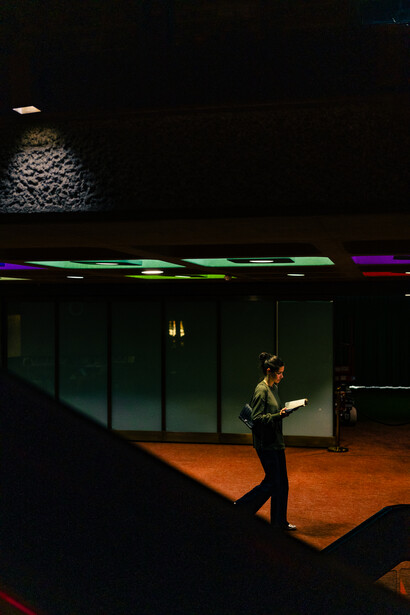
DPReview‘s lab results open with a strong argument: “both the Raw and JPEG output tell a similar story at base ISO: the a7R VI captures a bit more detail than its predecessor could, furthering its lead over the 45MP competition.” Digital Camera World‘s independent tests back this up, finding the 66.8MP sensor resolves noticeably more fine detail than rivals from Canon, Nikon, and Panasonic. Amateur Photographer adds a gentle reality check: the jump over the a7R V’s 61MP sensor amounts to only a 5% increase in linear resolution, which is modest in practice. Dynamic range is where things get genuinely exciting. Sony claims 16 stops at ISO 100, and DPReview‘s dual-gain readout analysis explains why: the camera combines low and high gain simultaneously from base ISO, so there’s no awkward performance jump at any point up the sensitivity range.
Sony A7R VI Frequently Asked Questions
How good is the autofocus for wildlife and fast-moving subjects?
For most real-world use, the autofocus is impressive. PetaPixel found that once the camera acquired focus on birds in flight it stayed locked consistently, and TechRadar reported bird detection was “super reliable” even when subjects occupied only a small portion of the frame. DPReview noted the camera more consistently landed on eyes rather than eyelashes compared to the a7R V, and Amateur Photographer found it noticeably snappier for wildlife and motorsport. However, reviewers also flagged real limits. DPReview found a significant real-world gap between the a7R VI and the a1 II in sporting settings, and Amateur Photographer observed a repeatable weakness with bright white subjects — white race cars and white gulls were harder to acquire and hold than darker subjects of identical size. Digital Camera World found that auto subject detection occasionally struggled with bird eyes and recommended switching to a dedicated bird mode for more reliable results, advice that Amateur Photographer and DPReview both echoed.
Who is the Sony a7R VI best suited for?

This is primarily a camera for photographers who need the highest resolution available in a full-frame body and want to use it across a wider range of subjects than the a7R V could handle. The stacked sensor removes the resolution-versus-speed compromise that defined earlier a7R models, making it genuinely useful for wildlife, sport, and event work alongside its obvious strengths in landscape and studio photography. Amateur Photographer found it performed superbly for sports and wildlife even in the 28MP APS-C crop mode, and TechRadar noted that the 1.5x crop combined with a long telephoto effectively delivers 1200mm of reach at a still-usable resolution. It is harder to recommend for dedicated video professionals: DPReview and PetaPixel both highlight the absence of open-gate recording, waveforms, and internal RAW capture, while Digital Camera World points out that 4K footage is noticeably softer than output from rival cameras. At $4,499, it is also a camera that expects to be paired with premium glass — Amateur Photographer warns that 66.8MP will expose lens weaknesses that lower-resolution bodies would hide.
What is the battery life like in practice?
Substantially better than the CIPA rating suggests. The CIPA figures are 600 shots via viewfinder and 710 via rear LCD, already the highest in class among direct competitors according to DPReview, but real-world results exceeded those comfortably across multiple reviews. DPReview estimated real-world battery life at roughly double the CIPA number, suggesting most users will not need to think about it except in high-demand scenarios. Amateur Photographer shot over 1,100 frames in a single day, including many high-speed bursts, and the battery still showed half charge. Digital Camera World found it held up well for video too, delivering four to five hours of 4K30p shooting. The one practical caveat from DPReview: if you transfer files over the fast 10Gbps USB port, battery charge will drop over time, so for prolonged tethered sessions you need to keep the Power Delivery port connected as well.

Is the a7R VI worth the price compared to rivals like the Canon EOS R5 II and Nikon Z8?
The resolution advantage is genuine and measurable. Digital Camera World‘s lab tests showed the a7R VI resolves noticeably more fine detail than any of the roughly 45MP alternatives, and PetaPixel confirmed that none of those rivals come close on megapixel count. What the competition does offer is lower rolling shutter — DPReview measured 19.6ms for the a7R VI versus 6.3ms for the EOS R5 II and 3.7ms for the Z8 — sharper standard 4K video output, and in the case of the Nikon and Canon, full-width oversampled 8K. Both PetaPixel and Digital Camera World also note that the a7R VI is bumping into Sony’s own a1 II in terms of capability, which muddies the value case further. If outright resolution is not your priority, Digital Camera World and TechRadar both point out that the a7R V has dropped significantly in price and remains an excellent camera. If resolution is your priority, PetaPixel called the a7R VI the most impressive camera Sony has ever made and recommended it without reservation.
How capable is the a7R VI for video?
Better than the a7R V, but with enough gaps that dedicated filmmakers will want to look elsewhere. The stacked sensor cuts 8K rolling shutter from 38ms to around 17ms according to PetaPixel, which DPReview and TechRadar both confirmed makes 8K far more usable than before. New additions include 4K120p, S-Log2, S-Log3, S-Cinetone, LUT import and monitoring, 32-bit float audio via the optional £660/$780 XLR adapter, and a Dual Gain readout mode for wider dynamic range in Log at slower frame rates. Against that, Digital Camera World found standard 4K footage distinctly softer than rival cameras, and PetaPixel confirmed the cause: the camera is not sampling all pixels for 4K, so shooting 8K and downscaling delivers a better image. Every reviewer noted the missing waveform display, the absence of internal RAW recording, and the continued lack of open-gate shooting — DPReview, PetaPixel, Digital Camera World, and TechRadar all flagged this last point specifically. For vlogging and hybrid shooting it is a significant upgrade on its predecessor; as a primary filmmaking tool, it still has gaps its rivals do not.
Further Reading. Other Great Reviews of the Sony A7R VI
Full Specs
 Sony a7R VI
|
|
|---|---|
| UK RRP | £4399 |
| USA RRP | $4498 |
| EU RRP | €4799 |
| Brand | Sony |
| Model | A7R VI |
| Body type | SLR-style mirrorless |
| Lens mount | Sony E |
| Sensor size | Full frame (35.7 x 23.8 mm) |
| Sensor type | Exmor RS CMOS sensor |
| Effective pixels | 66.8 MP |
| Max resolution | 9984 x 6656 pixels |
| Aspect ratio | 3:2 |
| Image stabilization | Sensor-shift |
| CIPA stabilization rating | 8.5 stops |
| File format | RAW, JPEG, HEIF |
| Colour space | RGB, sRGB |
| Aspect ratio options | 3:2, 4:3, 16:9, 1:1 |
| Minimum Standard ISO | 50 |
| Maximum Standard ISO | 102398 |
| White balance options | 15 |
| WB bracketing | Yes |
| Autofocus method | Phase Detect, Contrast Detect |
| AF modes | Single, Continuous, Tracking, Face/eye detection, Object detection, Touch AF |
| Number of focus points | 759 |
| Frame coverage | 94 % |
| Articulated LCD | Fully articulated |
| Screen size | 3.2 inches |
| Screen resolution | 2095104 dots |
| Touch screen | Yes |
| Screen type | TFT |
| Live view | Yes |
| Viewfinder type | Electronic |
| Viewfinder coverage | 100 % |
| Viewfinder magnification | 0.9 x |
| Viewfinder resolution | 9437184 dots |
| Mech shutter speeds | 30sec to 1/8000sec + B |
| Elect shutter speeds | 30sec to 1/8000sec + B |
| Max flash sync | 1/250sec full frame/ 1/320sec APS-C |
| Exposure modes | Manual, Aperture priority, Shutter priority, Program |
| External flash | Yes, Hotshoe |
| Flash modes | Flash off, Autoflash, Fill-flash, Slow Sync., Rear Sync. |
| Drive modes | Single, Continuous, Bracketing, Timelapse |
| Max fps (mechanical shutter) | 10 fps |
| Max fps (electronic shutter) | 30 fps |
| Self-timer | Yes |
| Self-timer delay | 2, 5, 10 seconds |
| Metering modes | Multi, Center-weighted, Average, Spot |
| Exposure compensation | +/-5EV in 1/3EV steps |
| AE Bracketing | +/-3EV up to 9 frames |
| Storage types | 2 slots, UHS-II SD, CFexpress Type A |
| USB | PORT1: SuperSpeed USB 10 Gbps (USB 3.2) compatible, PORT2: Hi-Speed USB 480 Mbps (USB 2.0) compatible) |
| HDMI | Full-size |
| Microphone port | 3.5mm |
| Headphone port | 3.5mm |
| Bluetooth | Bluetooth Standard Ver. 5.3 (2.4 GHz band) |
| WiFi | Wi-Fi Compatible, IEEE 802.11a/b/g/n/ac/ax (2.4 GHz band/5 GHz band/6 GHz band) |
| Remote control | Via app |
| Battery | NP-SA100 |
| Supplied battery capacity | 2670 mAh |
| Battery Life (CIPA) | 710 shots per charge |
| External power | Via USB-C |
| Environmentally sealed | Dust and splash proof |
| Size | 132.7×96.9×82.9mm |
| Weight | 713 g |
Videography Features
| Format | XAVC S: MPEG-4 AVC/H.264, XAVC HS: MPEG-H HEVC/H.265 |
|---|---|
| Image area | Full frame |
| Log Recording | Yes |
| Log Recording format | S-Gamut3.Cine/S-Log3, S-Gamut3/S-Log3, |
| Min Log ISO | 100 |
| Aspect ratio options | 16:9 |
| Max 4K | 3840 x 2160 (4:2:0, 10bit) (Approx.): 119.88p (200 Mbps) |
| Max FHD | 1920 x 1080 (4:2:0, 8bit) (Approx.): 119.88p (100 Mbps / 60 Mbps) |
| Max Bit Rate | 400 Mbps |
| System frequency | 25Hz |
| Clean HDMI feed | Yes |
| Timecode | Yes |
| Slow motion | 2x |
| Format | LPCM, PCM |
| Max Bit depth | 32 bit |
| Frequency | 96kHz |
| 4-channel | Via Hotshoe |
For more information see the Sony website.