

Pros

-
 Solid build quality, Excellent high-ISO performance, Prompt write times, AWB performance
Cons

-
 Battery Life, AF can hunt and misfocus, Moire patterning in some circumstances

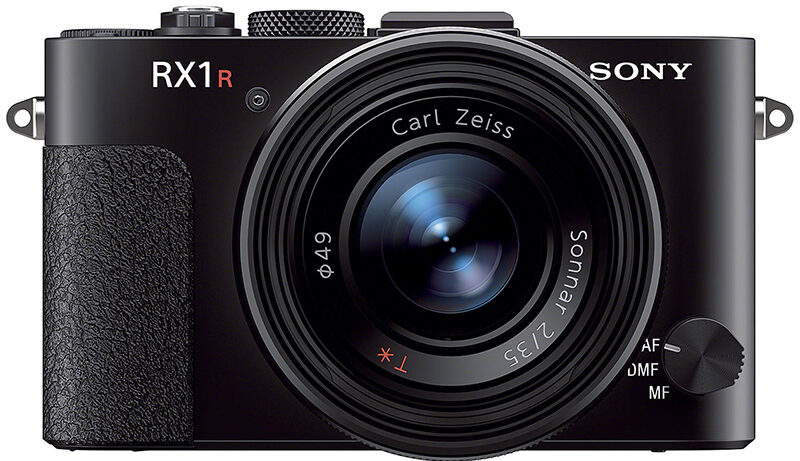
Sony RX1R Review – The Sony RX1R loses an optical low-pass filter, but what does this mean for serious photographers?
The Sony Cyber-shot RX1R, arrives to sit alongside the Sony Cyber-shot RX1 at the top the manufacturer’s line-up of advanced compact cameras. It picks up where the RX1 left off, in featuring a full frame CMOS sensor in a digital compact body.
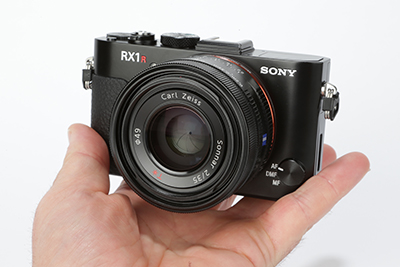
The new Sony RX1R is essentially exactly the same camera as the RX1, with just one key change – it has no anti-aliasing filter over its sensor. These filters are designed to slightly blur the image reaching the sensor. With no anti-aliasing filter on the RX1R images should be sharper and more detailed than those from the standard RX1. However, with no anti-aliasing filter the risk of moiré patterning being introduced is a possibility.
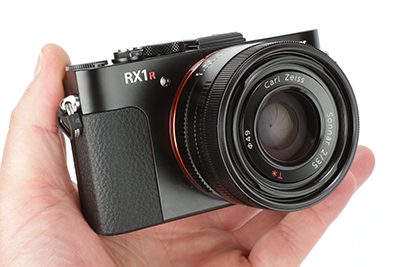
Moiré patterning occurs when two linear grids are overlapped out of alignment with each other. It can be commonly seen when grid mesh of net curtains overlaps, creating a new concentric pattern to appear. The same thing occurs when the grid array of a digital camera sensor photographs a similar linear pattern, such as a tightly woven fabric, or intricate brickwork on a building, but we’ll cover more on this later.
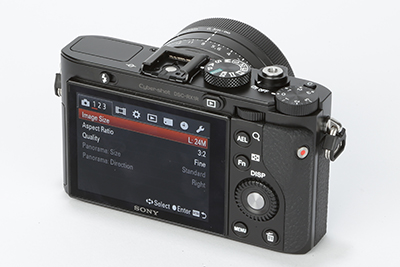
Interestingly, the Sony RX1R will cost exactly the same as the standard RX1. This is significant as we’ve seen other manufacturers charge a slight premium for versions of their cameras without an anti-aliasing filter. Given that the RX1 costs £2,600, the fact that there will be no premium to be paid for the new model is a blessing, the RX1 costs enough already.