
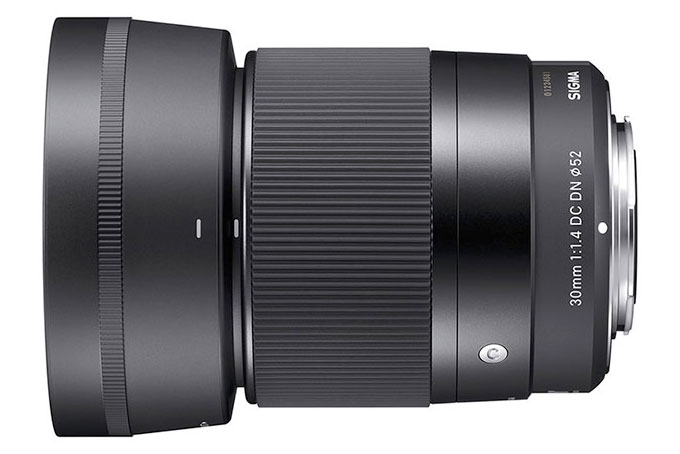

Sigma 30mm f/1.4 DC DN – Image quality
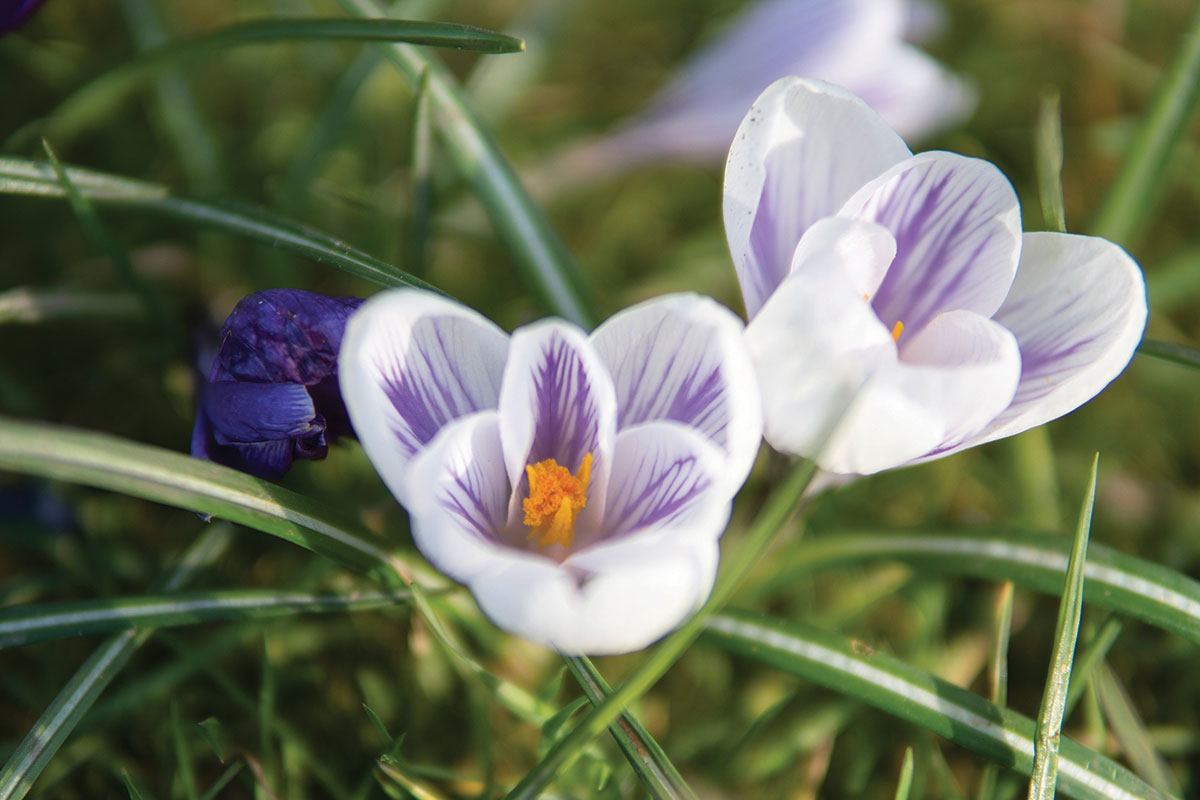

Any lens with a large aperture is begging to be used wide open. Indeed, while I was interested in seeing how the lens performed at f/5.6-f/11, the larger apertures proved to be the most interesting.
Needless to say, the key is to get the focus absolutely spot on. An f/1.4 lens can be very unforgiving; with such a shallow depth of field, the slightest shift in focus can make a huge difference. The good news with the Sigma 30mm f/1.4 is that, when you get the focusing right, you are rewarded with fantastic sharpness. Our real-life images shot with the Sony Alpha 6300 looked as sharp in the centre as they would with a proprietary 50mm f/1.4 DSLR lens. It really is excellent.
Stop it down to around f/4 and it’s even sharper, with very fine details wonderfully reproduced. At f/8 in our real-world tests the images look just as sharp, although our tests show a slight drop in sharpness.
The optical coatings of the 30mm f/1.4 work well, and even when shooting backlit images there were no signs of lens flare. Backgrounds are rendered nicely, with pleasing circular specular highlight and smooth gradations between out-of-focus areas. For full-length and mid-length portraits, the lens does a good job of separating the subject from the background, although I found facial features were slightly distorted when shooting head-and-shoulders shots.

There is a slight hint in some of our raw images of chromatic aberration. However, the colour fringing is very thin and not particularly noticeable unless viewed at 100%. Once again, it shouldn’t prove problematic in most situations, and I found it was easily removed after a quick play with the sliders in Camera Raw.