

Pros

-
 + Highly effective in-body image stabilisation<br />+ Compact, portable, rangefinder-style design<br />+ Quiet, discreet shutter<br />+ Useful 4K Photo modes
Cons

-
 - Default control set-up feels dated<br />- Viewfinder isn’t the best<br />- No mic socket for video

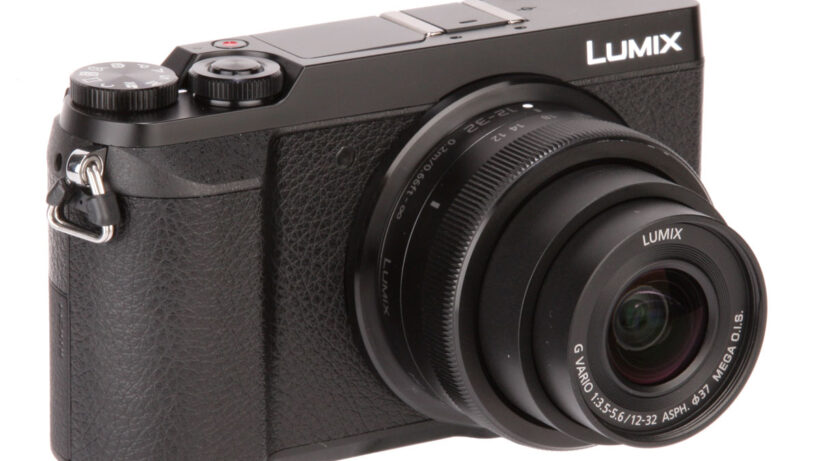
Andy Westlake examines the Panasonic Lumix GX80, Panasonic’s latest mid-range compact system camera
Panasonic Lumix DMC-GX80 review
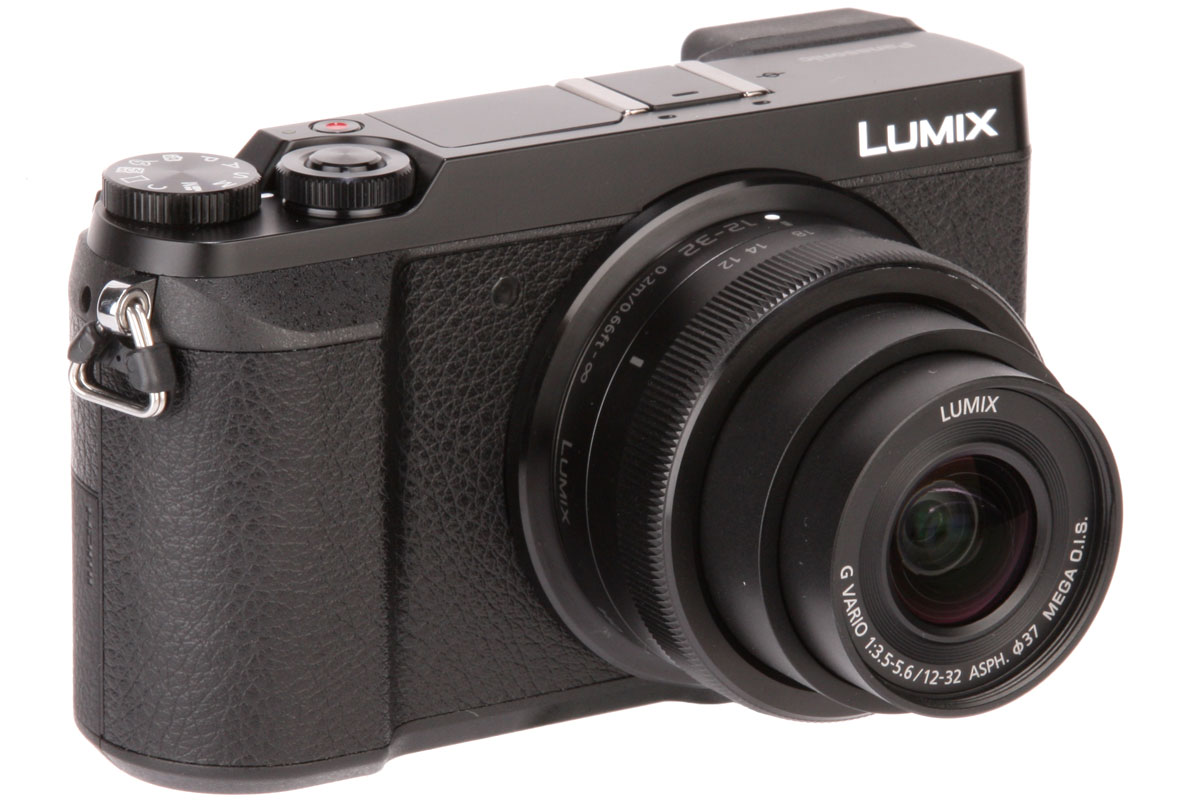
Panasonic Lumix GX80 – At a glance:
- 16-million-pixel Four Thirds sensor, no optical low-pass filter
- ISO 200-25,600 (ISO 100-25,600 extended)
- Dual IS: 5-axis in-body stabilisation working with 2-axis in-lens
- 4K video recording and 4K Photo mode
- 2.76-million-dot equivalent EVF (16:9 aspect ratio)
- 1.04-million-dot 3-inch tilting touchscreen
- New low-vibration shutter: 60sec – 1/4000sec (1sec – 1/16000 sec electronic)
- £509 body only, £599 with 12-32mm f/3.5-5.6 lens
While Panasonic was the first company to make a compact system camera with the G1 in 2008, in the intervening years it’s not really settled on any specific kind of design.
Its GX series aimed at enthusiast photographers is a case in point. The GX1 was a viewfinderless fixed-screen camera designed as a spiritual successor to the much-loved GF1. Its replacement, the GX7, was a slightly larger camera with a built-in, tilting electronic viewfinder, a tilting LCD screen and in a first for Panasonic, in-body image stabilization.
Last year’s replacement for this popular model was the GX8: an evolution of the design with a fully-articulated screen and weathersealing, but in a much bulkier body that wasn’t universally well-received.
Now with the GX80, Panasonic has gone back to essentially the same template as the GX7, in making a compact rangefinder-style body with a tilting screen and built-in EVF. There are a few omissions – the EVF is fixed rather than tilting, and the GX7’s focus mode switch has disappeared – but in exchange you get all of Panasonic’s latest and greatest technology, most notably a new dual IS system that combines 5-axis in-body image stabilization with 2-axis optical IS when using suitably-equipped lenses. This being Panasonic there’s also 4K video recording and its associated 4K Photo mode for extracting 8MP stills from 30fps 4K footage.
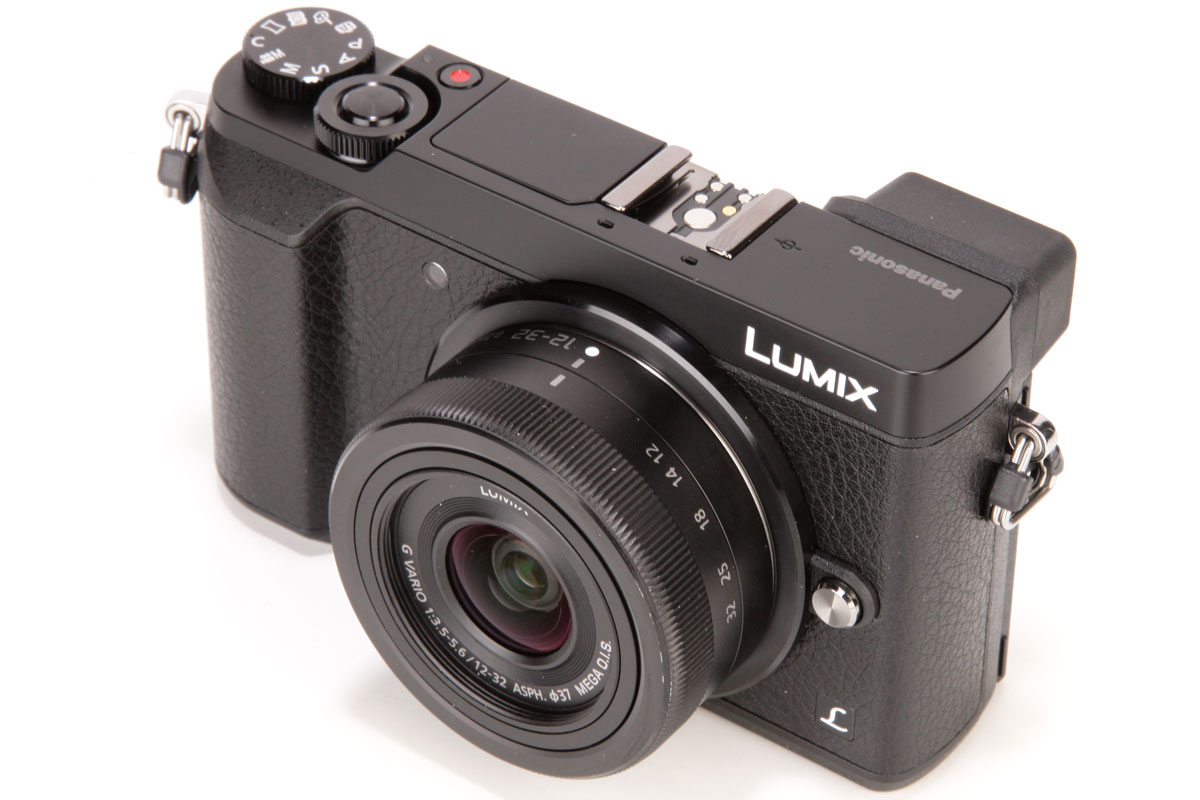
In short, the GX80 Panasonic appears to have hit on a Goldilocks formula – not too big, not too small, and not too expensive either. It costs £509 body only, £599 in a kit with the tiny retracting12-32mm f/3.5-5.6 OIS pancake zoom, or £729 in a dual-lens kit adding the compact 35-100mm f/4-5.6 OIS telezoom. Three colour options will be on offer: all black, silver and black (exclusive to Jessops), and silver and brown (exclusive to John Lewis). So how well does it work?