
Olympus 7-14mm 1:2.8 review – Shading and distortion

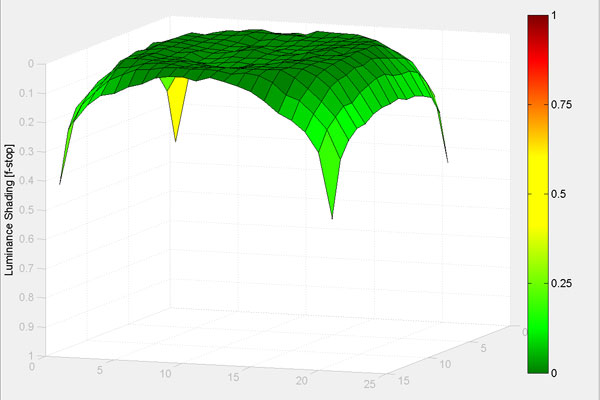
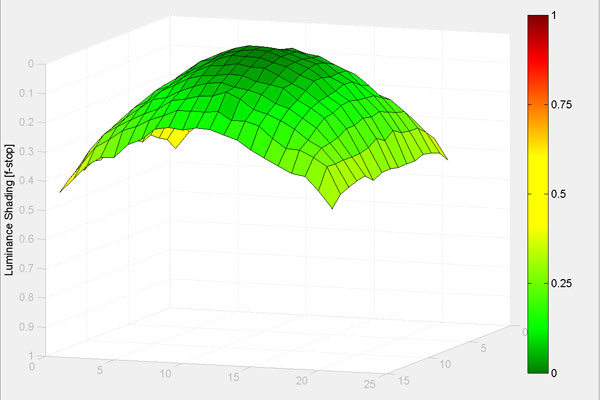
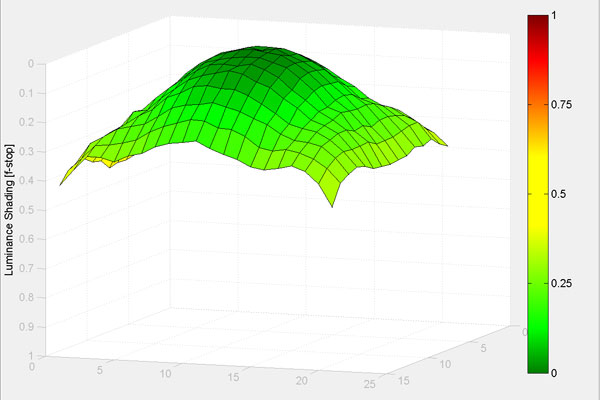
Our tests show that the 7-14mm show relatively low levels of vignetting, certainly not enough to be disturbing. At worst we see an illumination falloff of about 0.5 stops in the corner of the frame.
Distortion
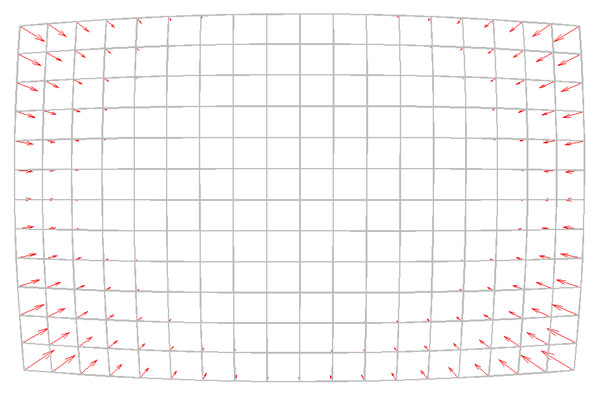
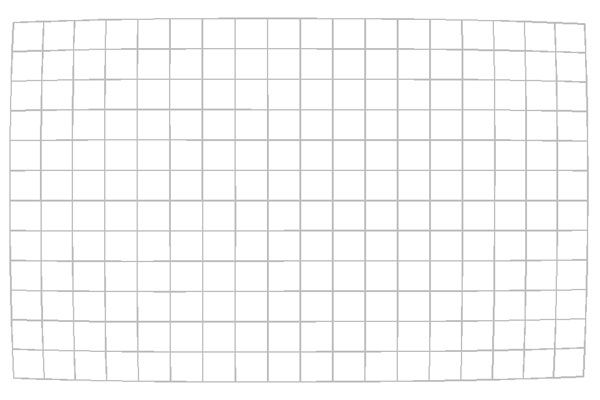
Most Micro Four Thirds lenses are designed around in-camera distortion correction, with some barrel distortion usually allowed in the image that’s projected onto the sensor, to enable better correction of other optical aberrations. This distortion is then corrected in software throughout the process of viewing and taking a photograph, in a fashion that means few photographers will even notice that it’s going on, let alone care.
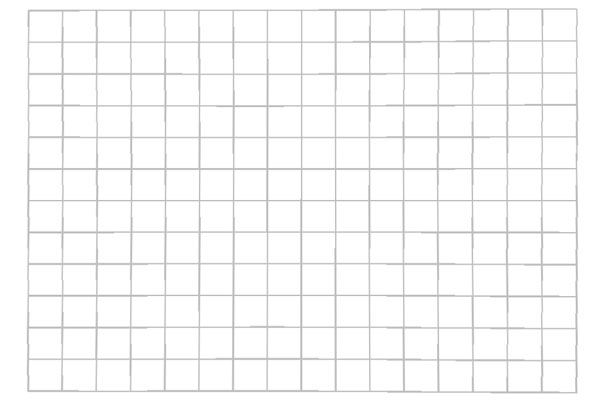
Our tests reveal that the 7mm works to this design, with distortion near-perfectly eliminated in JPEG processing, As the correction parameters are also stored in the raw file, most raw converters should be able to apply equally effective compensation.
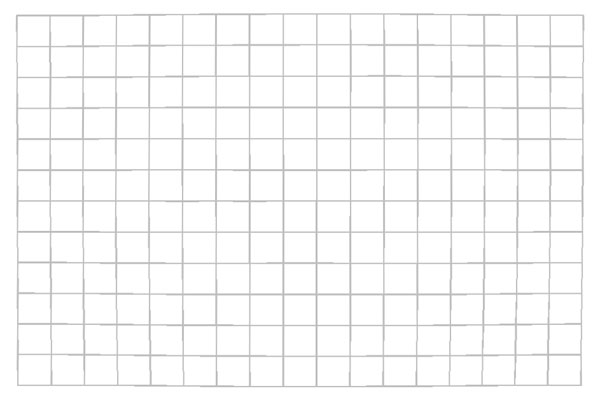
It is however possible to use a raw converter that doesn’t necessarily apply corrections, such as DCRaw. Looking at uncorrected raw files this way, we see that the 7-14mm shows quite strong barrel distortion at wideangle, which progressively reduces to near-perfect correction at the 14mm position.