

Pros

-
 Ergonomics and handling, fringing control, grip
Cons

-
 Detail hampered by noise, underexposure, over-processed images

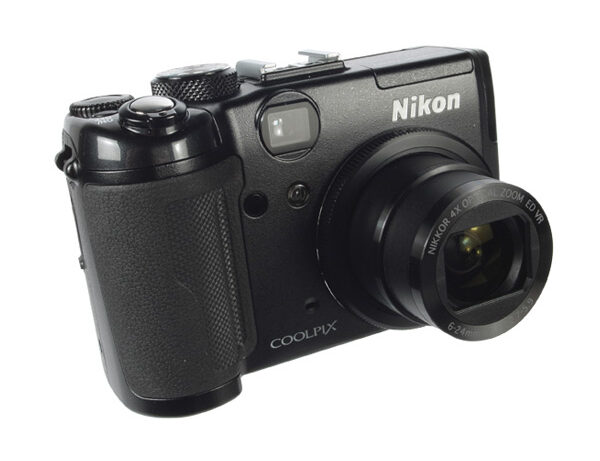
The Nikon P6000 is a high-end compact with a wideangle 28-12mm lens, 13MP, and new features including Raw shooting and GPS, so how does it perform?
The next few years stand to significantly reshape the digital camera market. Even if we just look at the year gone by, we’ve seen the launch of the Micro Four Thirds system and video recording integrated into DSLRs, as well as cameraphones that not only boast 8MP sensors (soon to be 12MP), but also optical zooms, advanced AF systems and even face detection. For the compact market it’s perhaps such cameraphones that pose the greatest threat, and while their images still leave a lot to be desired it’s hard to dispute how far the technology has come – and indeed where it’s heading.
Fortunately, the quality gap between cameraphones and enthusiast compacts is still fairly large, and it’ll be some time before this gap narrows to a significant level. The inroads Panasonic, Ricoh and Sigma have all recently made have pushed the bar even higher, with their models boasting handling, build quality and a standard of images that rightly puts them in a class of their own. Together with the superzoom bridge cameras and entry-level DSLRs currently available – as well as the threat posed by the Micro Four Thirds format – the sub-£500 camera market is as abundant as it’s ever been.
So where does Nikon’s P6000 fit into all of this? It’s certainly capable by the standard of most compacts, with a 13.5MP sensor, Raw shooting and range of manual controls. It also boasts compatibility with external flashguns, but is it a viable alternative to the DSLR?
More info:
Nikon Coolpix P6000 – Features
Nikon Coolpix P6000 – Performance
Nikon Coolpix P6000 – Image quality
Nikon Coolpix P6000 – Value for money
Nikon Coolpix P6000 – Specifications