


Pros

-
 Impressive featureset; Good image quality; Good touchscreen performance
Cons

-
 Pricey lenses; Lacking 'rangefinder' features may disappoint some
Leica T Review – Design
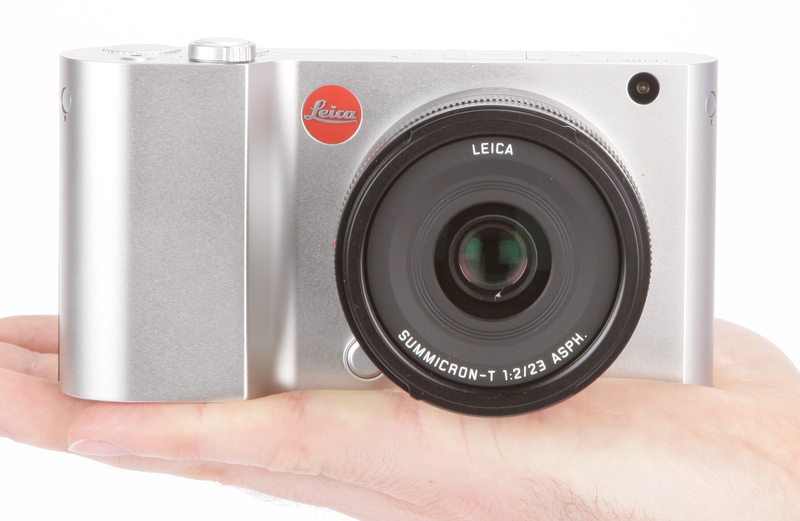

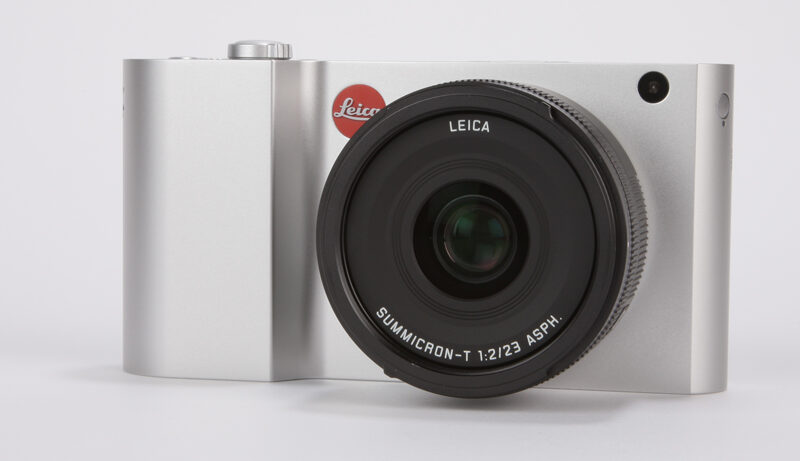
The first thing that strikes you about the Leica T is the quality of the materials used in its production. The model is honed from a single block of aluminium in much the same way that Apple – another noted premium brand – engineers their Macbook laptops.
The actual process of giving the camera its sleek finish involves polishing each individual camera for some 40 minutes, and such attention to detail is certainly noticeable.
As you might expect for a camera with such an ample and impressive touchscreen, the Leica M’s body is noticeably lacking in any major physical controls.
In fact, outside of a pair of unmarked control dials on the top plate, along with the shutter button and on/off switch, there is a total absence of conventional buttons and dials.
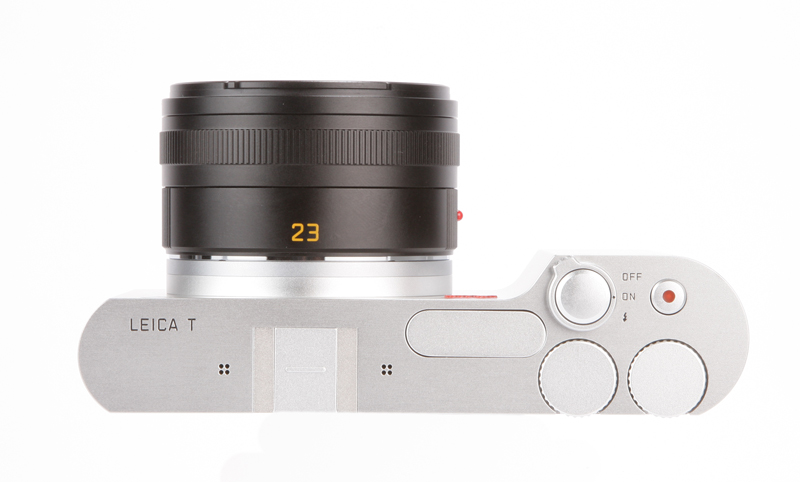
Command dials
The two dials set on to the camera’s top plate control shutter and aperture respectively when shooting in manual mode. If shooting in either of the priority modes one of the dials offers access to the designated control while the other controls other variables such as ISO sensitivity, exposure compensation and so on.
This lack of physical controls places a great emphasis on the layout of controls, and the responsiveness therein, of the touchscreen. The interface is somewhat basic, but the size of the buttons therein are certainly large enough, while the screen itself is certainly responsive.
The touchscreen also offers the benefit of giving a simple one-touch method of picking the desired focal point – a process which can be somewhat long-winded on some competing compacts.
The only real disappointment in terms of the camera’s body is the door covering the USB sockets and memory card hatch. This is made from plastic and feels somewhat out of sync with the rest of the quality design and build.