
Canon EF-S 24mm f/2.8 STM – Test results
Resolution

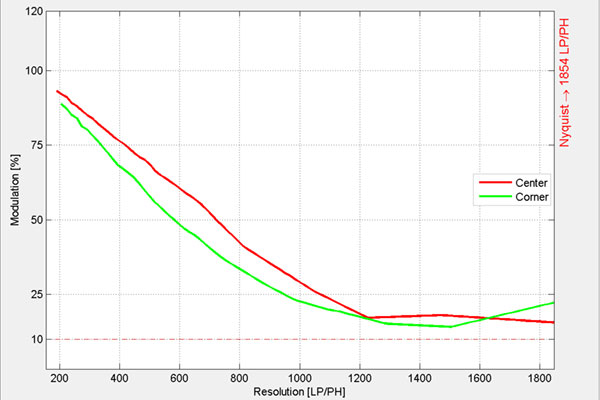
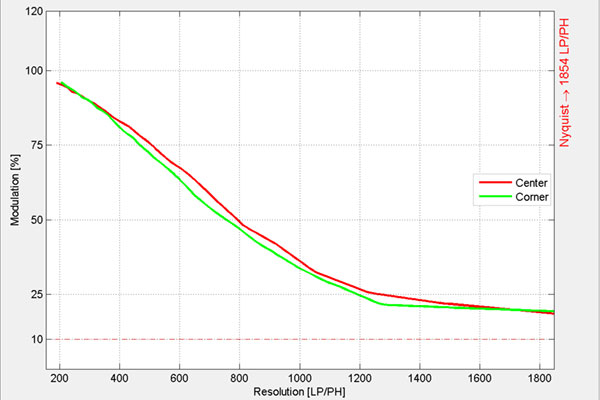
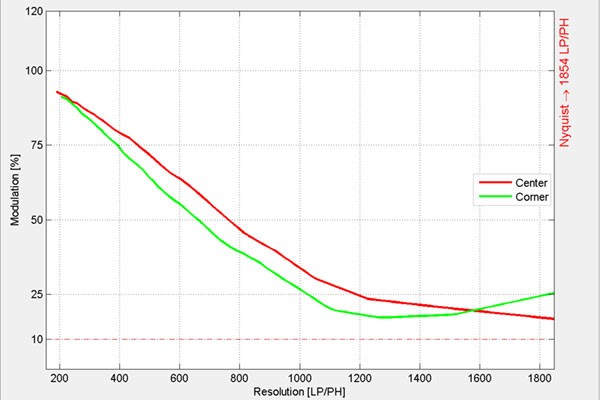
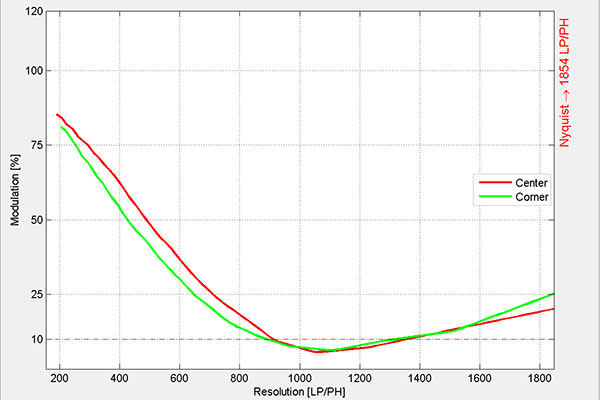
Our Applied Imaging tests reveal impressively consistent results, varying little between f/2.8 and f/11. Corners are somewhat soft wide open, and best results come at f/5.6 and a stop either side. Diffraction blurs the image visibly at f/16, and we’d avoid f/22 unless depth of field is paramount.
Shading
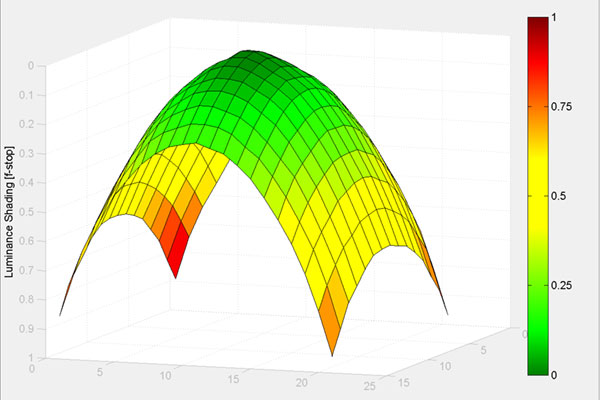
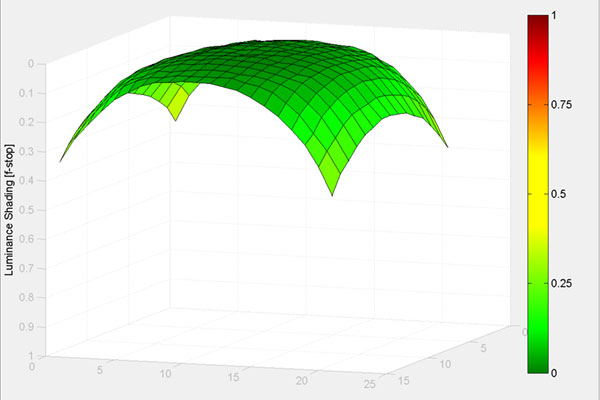
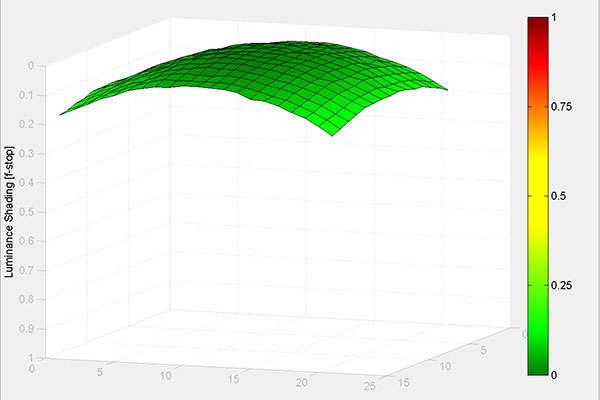
Vignetting is quite strong at f/2.8, which is to be expected from such a small optical unit. Close down to f/4, though, and it clears up almost completely. Most Canon DSLRs can correct vignetting in-camera, although you will have to upload the requisite lens profile to make this work. It’s also easily removed in post-processing.
Curvilinear distortion
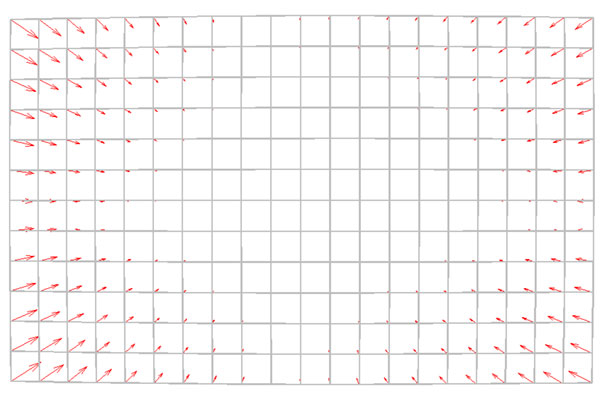
Our test charts reveal moderately strong barrel distortion, with straight lines towards the edge of the frame bowing outwards. This is a common compromise with small lenses, although it’s a little unusual to see this much distortion from an APS-C prime. Again, it’s easy to correct in software.