
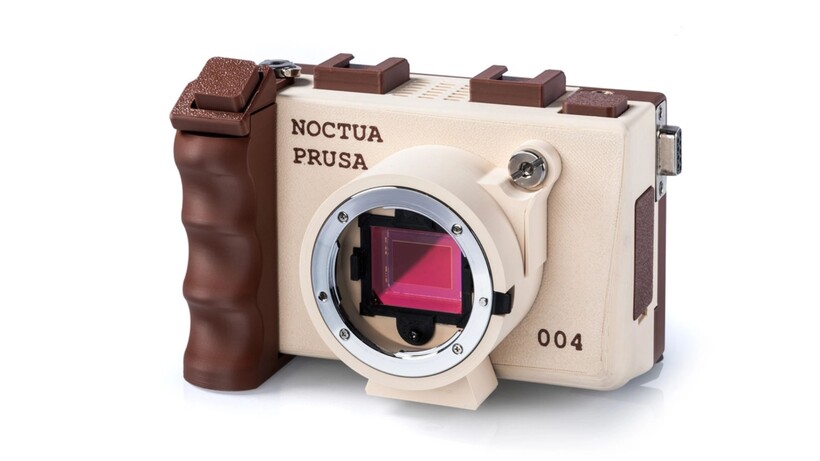


A new camera project called the Caim 1 is being developed to help photographers and filmmakers verify the authenticity of their images and footage. The prototype combines a Four Thirds sensor with interchangeable lenses and a dedicated security chip designed to create a verifiable record when media is captured.
The camera, whose name stands for Counter Artificial Intelligence Machine 1, is intended to address growing concerns about AI-generated photographs and videos. Rather than relying solely on software to authenticate files after recording, its developers are building cryptographic verification directly into the camera hardware. The project has received support from Czech semiconductor company Tropic Square, which confirmed a partnership with Caim 1 in September. Its TROPIC01 secure element is designed to protect cryptographic keys and support verification processes within the device itself.
According to Tropic Square, the chip uses an auditable architecture based on RISC-V technology, allowing its security design to be examined rather than relying entirely on proprietary systems. The Caim 1 team intends to use this hardware to establish a record of where digital media originated and whether it has subsequently been changed.
A physical receipt for digital footage
One of the camera’s more unusual features is an integrated printer that can produce a physical verification receipt for recorded footage. Each receipt contains an access code linked to a digital record of the media, allowing its provenance to be checked independently. The developers say this could be useful for journalists, documentary filmmakers and other professionals who need to demonstrate that material has not been altered after capture. The system is intended to create a cryptographic fingerprint when recording takes place, with verification information stored through decentralised infrastructure.
However, there is an important distinction between verifying a recording’s origin and establishing that everything depicted in it is true. Cryptographic authentication can help identify subsequent alterations, but it cannot independently establish the circumstances surrounding a recording or rule out a staged scene. The project also enters a field where established camera manufacturers are already introducing authentication technology. Leica, Nikon and Sony have developed cameras or workflows supporting Content Credentials, based on the C2PA standard, which can provide information about a file’s origin and editing history.
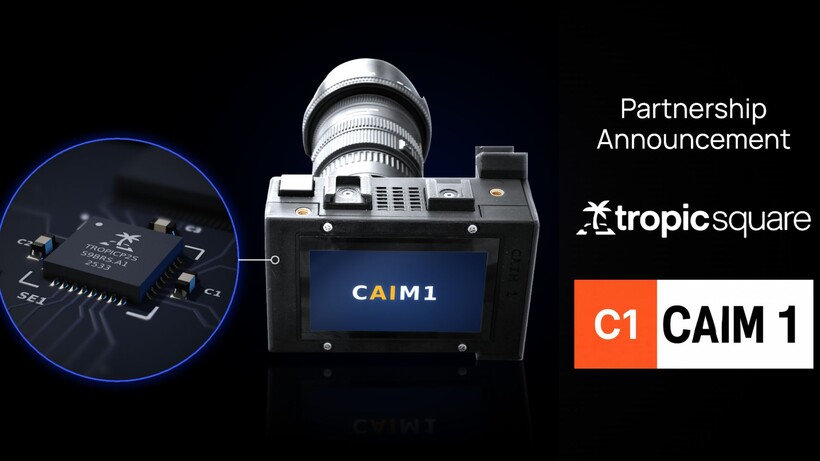
An unconventional camera still in development
The Caim 1 prototype has been reported with a Four Thirds sensor, Sony E-mount compatibility and a 4.3-inch touchscreen. Reports also describe active cooling to support video recording and the camera’s security processing. A working prototype has reportedly been demonstrated at an event in Tokyo, although detailed technical specifications remain limited. The manufacturer has not confirmed the sensor resolution, complete recording formats, battery life or final production specifications.
The choice of a Four Thirds sensor alongside an E-mount is unusual, as the mount is generally associated with Sony’s APS-C and full-frame mirrorless cameras. It remains unclear which lenses and autofocus functions will be supported in a finished product. There is currently no confirmed retail price or release date for the Caim 1.
Product Details
Caim 1 Camera
The developers are inviting expressions of interest through the official Caim 1 website.