
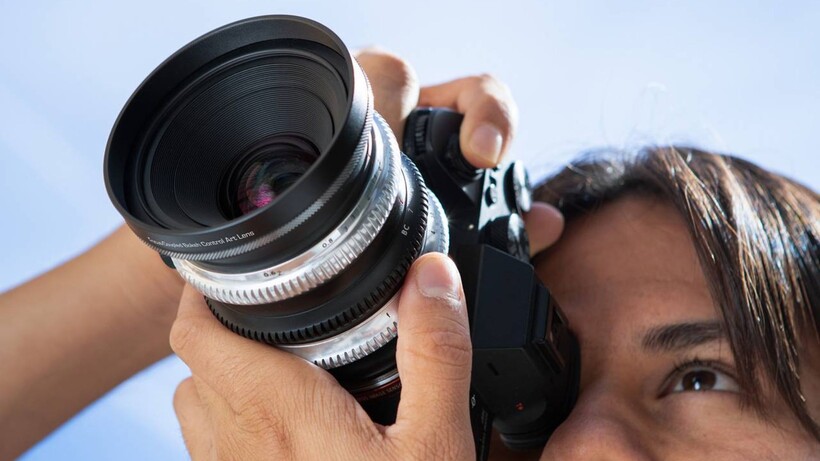


Lomography has unveiled the Joseph Petzval Métamorphose 35mm F1.8 Art lens, a new full-frame prime that lets photographers adjust the intensity of its signature swirling bokeh. Rather than chasing the sharp, clinical look of modern lenses, this one is designed to give photos and videos a more distinctive character.
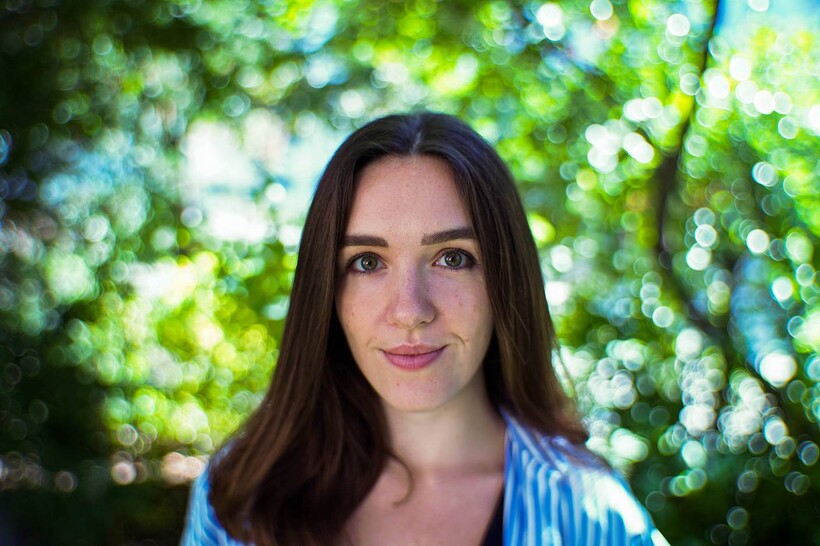
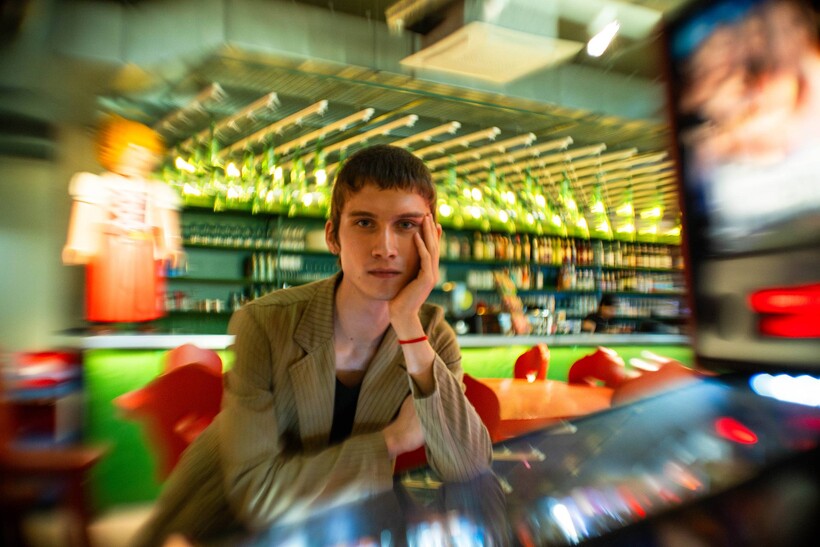
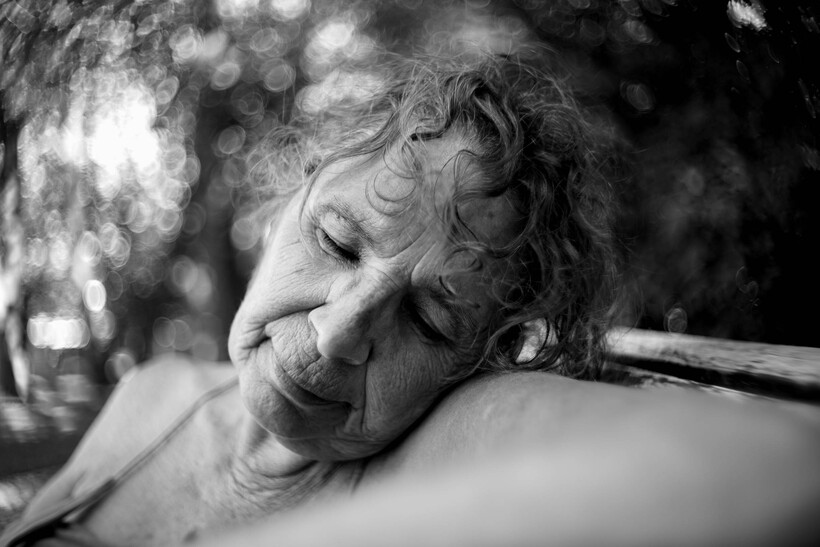
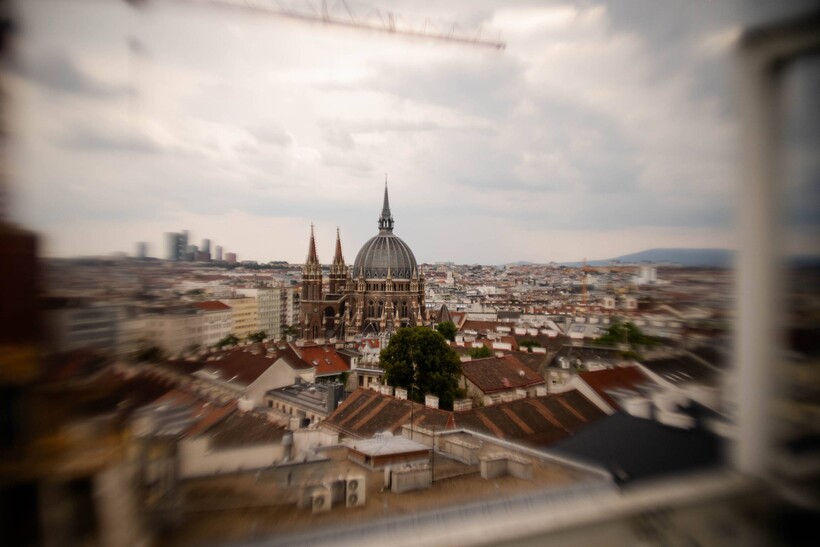
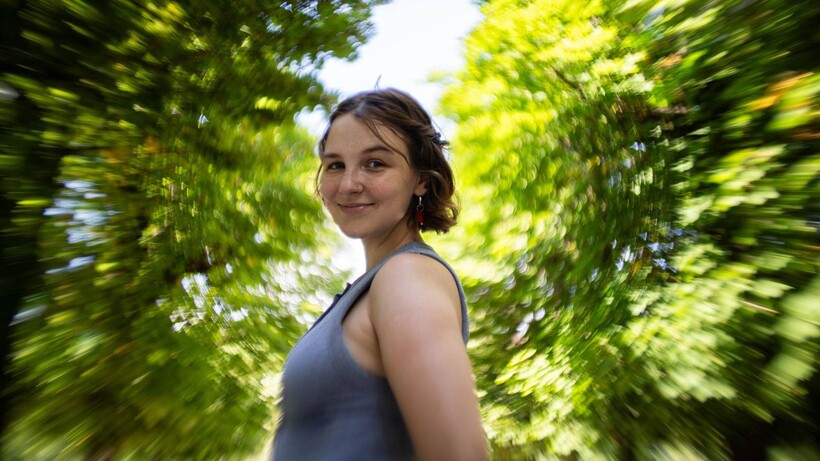
The manual-focus lens features seven adjustable bokeh settings, controlled through a dedicated dial on the barrel. At lower settings, it produces softer backgrounds with the soap-bubble bokeh associated with Lomography’s existing Petzval lenses. Turn the effect up, however, and the background becomes noticeably more distorted, with stretched edges surrounding a sharp centre. Lomography describes the result as a “powerful hallucinatory effect”, particularly useful for creating a sense of movement or disorientation.
The effect becomes even more pronounced when shooting close to the lens’s 0.35m minimum focusing distance, where only the central part of the image may remain sharp. Photographers can also change the shape of out-of-focus highlights using five included drop-in aperture plates, offering star, sun, oval, heart and snowflake patterns.
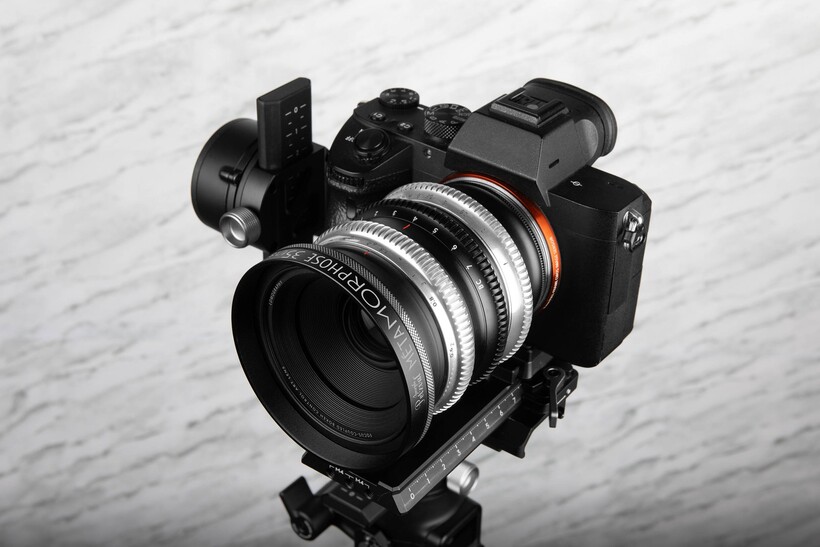
Lomography hasn’t forgotten about video creators either. The Métamorphose features a 180-degree focus throw, Mod 0.8 gearing for follow-focus systems and a de-clicked aperture ring for smoother exposure adjustments. Its bokeh control can also be adjusted without changing focus, allowing filmmakers to alter the background effect while recording. There’s also a built-in 1/4-inch mounting point for camera rigs and a 67mm filter thread, while the optical construction consists of six elements in five groups.
The new lens joins Lomography’s growing Petzval Art range, inspired by Joseph Petzval’s original 1840 portrait lens, which became known for its sharp centre and softer edges. This latest version also draws on an early Gaussian optical design developed by Carl Friedrich Gauss in 1817, giving it a slightly different approach to the company’s existing Petzval lenses.
The Joseph Petzval Métamorphose 35mm F1.8 Art is available for pre-order now at $649, with shipping expected to begin in December. It will be offered in Canon RF, Nikon Z and Sony E mounts, giving full-frame mirrorless users another option for creating distinctive images without relying on editing software.
Key Features
Beyond its distinctive look, the Joseph Petzval Métamorphose 35 Lens comes with a range of features designed to give users more control over shooting. Here are some of the key features to explore:
- Focus-Coupled Bokeh Control: Adjust the bokeh without shifting your focus, keeping your subject sharp as you change the effect.
- Close Focusing Distance: Focus as close as 0.35 m and enjoy the balance of the swirl and stretch effect when taking dynamic close-ups.
- Stopless Aperture: Finetune the aperture from f/1.8 to f/22 for more control over exposure and depth of field.
- Drop-in Rear Aperture Plates: Experiment with different aperture plates to introduce unique bokeh shapes and added creative effects.
- 180° Focus Throw: For smooth and precise manual focusing for both photography and video.
- Follow-Focus Compatibility: Built with MOD 0.8 gears for easy integration into cinema setups.
- Built-in Lens Support: A 1/4-inch lens support helps accommodate camera setups through secure mounting.
- Three Mount Options: Available for Canon RF, Nikon Z, and Sony E full-frame mirrorless cameras.
- Modern Optical Design: Six elements in five groups combine historical optical character with a contemporary lens construction.
Press release
Meet the Joseph Petzval Métamorphose 35 f/1.8 Lens: Rediscovering Optical Imperfections
In line with Lomography’s longstanding commitment to pushing boundaries, we’re introducing a new addition to our Petzval lens family – the Joseph Petzval Métamorphose 35 f/1.8 Focus-Coupled Bokeh Control Art Lens.
This 35 mm lens takes the signature Petzval look a step further, creating a fascinating combination of swirly bokeh and a vertiginous stretch effect that pulls the edges of the frame outward from the center. Whether you’re after soft, blurry edges or a more dramatic warp effect, the Métamorphose is prepared to adapt along with your evolving visions.
Rewriting Optical History
In 1817, Carl Friedrich Gauss developed the Single Gaussian lens, an early optical design that produced strong aberrations such as coma and astigmatism. These “flaws” eventually led to the design being deemed unsuitable for photography.
Driven by our endless curiosity for the revolutionary findings that shaped photography and cinematography today, we sought to develop another visual tool built from the remnants of optical history. Taking inspiration from Gauss’ early experiments, we’ve optimized his “flawed” formula and incorporated the bold character of our Joseph Petzval line to push the boundaries of creativity.
The new Joseph Petzval Métamorphose 35 f/1.8 Focus-Coupled Bokeh Control Art Lens embraces the so-called imperfections that early lens designers strived to eliminate, turning them into distinctive visual characteristics for modern image-making.
Made For Every Vision
Designed for both photographers and videographers, the Métamorphose allows for full manual control to help creatives achieve different artistic visions without constantly changing lenses. The seven bokeh levels give you room to explore how much of the lens’ distinctive character you want in your image, then further finetune the final look through the adjustable aperture and focusing distance.
At the lower levels, the effect stays subtle and produces softer edges with soap-bubble bokeh in the background, giving that light touch of vintage glow that is recognizable in Lomography Petzval Art Lenses. This setting works well for classic portraits or any shot where you just want a little more character without overpowering your subject.
When the bokeh level is raised, the effect becomes much more pronounced. The center stays sharp while the edges stretch and blur outward, creating a powerful hallucinatory effect around your subject. At higher levels, the frame takes on an extreme, perception-bending quality that is most fitting for expressing a disoriented state or working on static scenes that require a sense of motion.
At the closest focusing distances, the lens creates a fascinating duel between swirl and stretch within the bokeh, causing an impressive illusion of the subject almost leaping out of the frame.