




In our article: Dynamic range optimisation, we look at what is meant by dynamic range and the camera manufacturers response to this.
A camera’s dynamic range is the spectrum of light the sensor can capture before either the highlights blow or the shadow areas become indiscernible.
In low-contrast scenes this isn’t a problem, but in high-contrast scenes digital photographers have traditionally had to choose between exposing for the highlights or the shadows, or to find an acceptable balance between the two – often sacrificing one extreme or the other.
In recent years manufacturers have worked on ways of preserving the extremities in hi-contrast scenes to give images a more natural look.
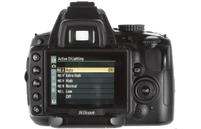
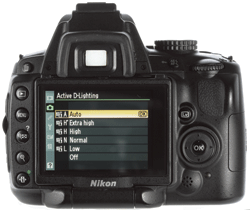
Each manufacturer has its own name for its technology (Nikon calls it Active D-Lighting, while Sony refers to it as a Dynamic Range Optimiser), but they are all designed to do much the same thing.
If you want to buy a camera with a good dynamic range, read through our reviews to see how well each camera achieves dynamic range optimisation.