




If you had to photograph a wedding using only one lens then which lens would it be? Having taken a break from wedding photography for several years a friend tempted me back into the field: so which lens did I go for?
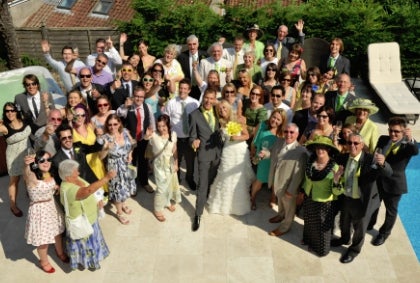
Weddings are tricky things to photograph. The guests always praise a “nice sunny day” but photographers know that harsh sunlight can create some tough lighting challenges. Fortunately, modern dSLRs make life much easier in this respect thanks to very sophisticated metering systems that provide balanced fill-in flash to tame sunlight’s unflattering shadows.
Similarly, in the old days of medium-format film-based wedding photography everything was shot using non-zoom lenses. My own Mamiya RB67 kit was based on three primes; 65mm, 90mm and 180mm. Sometimes it would have been useful to have had something a bit wider too, especially when photographing interiors, but this trio worked very well overall.
Coming up to date, with a full-frame dSLR (Nikon D700) the obvious choice was to go for a high-quality zoom that covers from about half to double the standard focal-length. Given that the standard lens for full-frame dSLR is 50mm, versus 90mm for the RB67, this means a zoom range of about 25mm to 100mm. Good choices would therefore be one of the latest 24-120mm zooms… and right at the top of that league, in my opinion, is the Nikkor 24-120mm f/4G ED-IF VR, which scored 94% when I tested it last year. I don’t own one of those lenses but Nikon UK very kindly loaned me a sample to test my theory that this really is the perfect wedding lens.
To answer that question it is first necessary to define what is important… Optical quality obviously ranks highly, as does a wide aperture (both for clear viewing under low-level lighting and to throw backgrounds out of focus when necessary). Good handling is also important – and that comes down to a combination of size, mass and overall layout. Nikon’s lens excels in all these areas. In fact I think I was a bit mean when I tested the lens because the MTF curves didn’t drop below the critical 0.25 cycles-per-pixel level, which normally deserves 20/20 but because of a very slight dip wide-open at longer focal-lengths it only got 19/20!
One of the nice things about this lens is the ability to apply manual adjustments when the lens is set to AF mode because there are times when it’s quicker to do that than to change the active AF area. And the addition of an anti-shake (vibration reduction) system also helps when doing interior shots by available light.
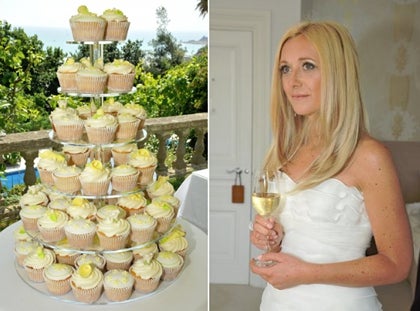
In practice, the lens was used for every shot taken at the wedding: I almost had to reach for the Nikkor 16-35mm zoom when it came to the largest groups but squeezing people in and getting extra layers not only avoided having to change lenses but also gave a much more pleasing composition.
A couple of the resulting pictures are shown here, reflecting the variety of shots that the Nikkor 24-120mm zoom handled with ease. My thanks go to Adam and Kati for allowing me to publish these images here – and to Nikon UK for providing the kit to test my theory. WDC’s previous lens test have already shown that the Nikkor 24-120mm is a very strong performer: this field test proves that it is also a worthy holder of my own award for the Ideal Wedding Lens.
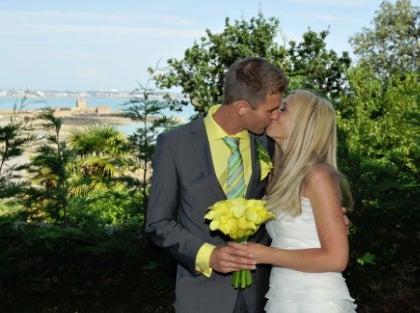
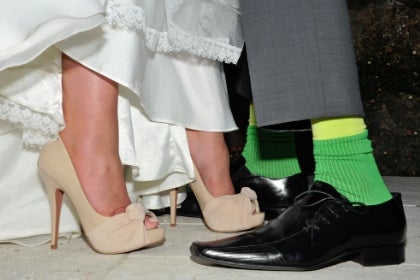
All photographs (c) Jon Tarrant.