




If you'd be happy to purchase a camera that's had one or more previous owners you could well pick up a bargain. Take a look at our guide to choosing a second hand camera help you pick out a gem
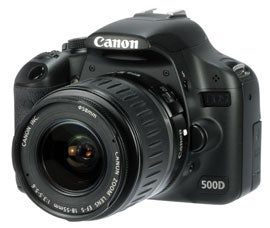
Technological advancements in the digital camera market are such that new models are frequently launched on to the market, looking to tempt photographers in to upgrading their previous cameras with a new and improved model.
The result of this is that those that choose to upgrade often look to cash in on their previous models by placing them for sale on the second hand market. If you know what to look for when choosing a second hand camera, as a result you could well bag yourself a bargain.
The second hand camera market presents fantastic value for money, although there are a few things to look out for to make sure you’re buying the camera your after. We’ve assembled a quick check-list of things to look out for when choosing a second hand camera.
Request images of the camera itself
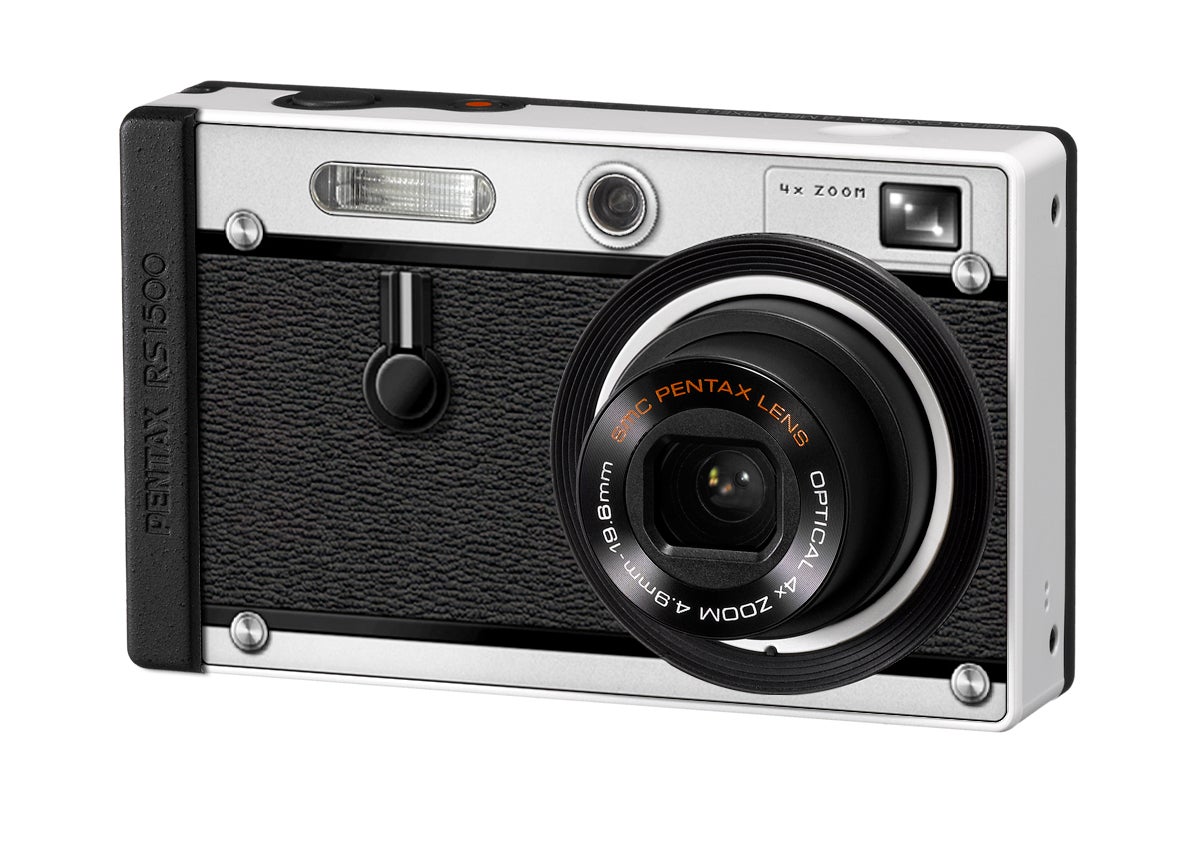 While often cameras are advertised on eBay using press images and such like, there’s only so much use that can be garnered from these images. Instead, make sure that you request at least one image of the actualy camera that you’re looking to buy.
It could even be the case that you request several images, including close-up shots of details such as the LCD screen or the mode dials. This way you can inspect them damage or any signs of use, and thus come to a clearer judgement as to whether the camera
Check the battery contacts
Although Lithium Ion batteries are less susceptible to leakage, but AA batteries do have a slight tendency to suffer from leakage. If leakage does occur, the contact points with be irrevocably damaged.
Asking for a photo of the contacts themselves might be a bit difficult, but if you’re inspecting the camera first hand then be sure to check for any damage. Failing that, simply fire the camera up and see if it’s functioning, as that’ll normally see if there’s any damage or not.
Check the memory card port
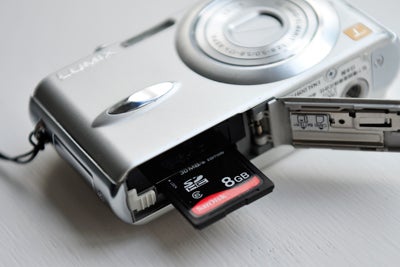
Although the majority of DSLRs and compacts now take flat contact memory cards, such as SD or Memory Stick, there are plenty in the second hand market that accept compact flash.
Because this particular formats needs a series of tiny pins within the port to function it can be possible to bend a pin, rendering the card port useless.
Once again, ask for an image of the camera turned on and working or card port, or if you’re checking out the camera in the flesh then take along a CF card to check for yourself.
Check what accessories are included
As with most electronic devices, the average digital camera comes with a whole host of accessories in the box. The majority are easily replaceable but the USB and AV leads and battery charger are often bespoke to at least the manufacturer.
Although a card reader can instantly remedy a lost USB lead, getting a camera-to-TV cable will prove more difficult. Even more imperative is the charger, as a slightly older camera can prove difficult to purchase a third party option for and thus can prove a costly extra purchase.
It’s worth keeping an eye out for models including memory cards and that a DSLR comes with the kit lens at the very least. Any extra expense will reduce the saving, and the likes of a memory card, lens and charger are necessary to get the camera working.
If a camera is being sold without such accessories, then be sure to pay a price that reflects this and covers any extra purchases you might need to make.